


50 minutes ago
This post has been hidden based on your content filter selections.
By 2026, Hollow Knight: Silksong has settled into its well-earned reputation as one of the most consumer-friendly releases in recent memory. Team Cherry's long-awaited sequel arrived in 2025 with little fanfare compared to the industry's usual hype machine, yet it delivered a massive, polished experience at a fair price. More than a year later, the game stands as a quiet rebuke to the nickel-and-dime tactics that have become all too common in gaming.
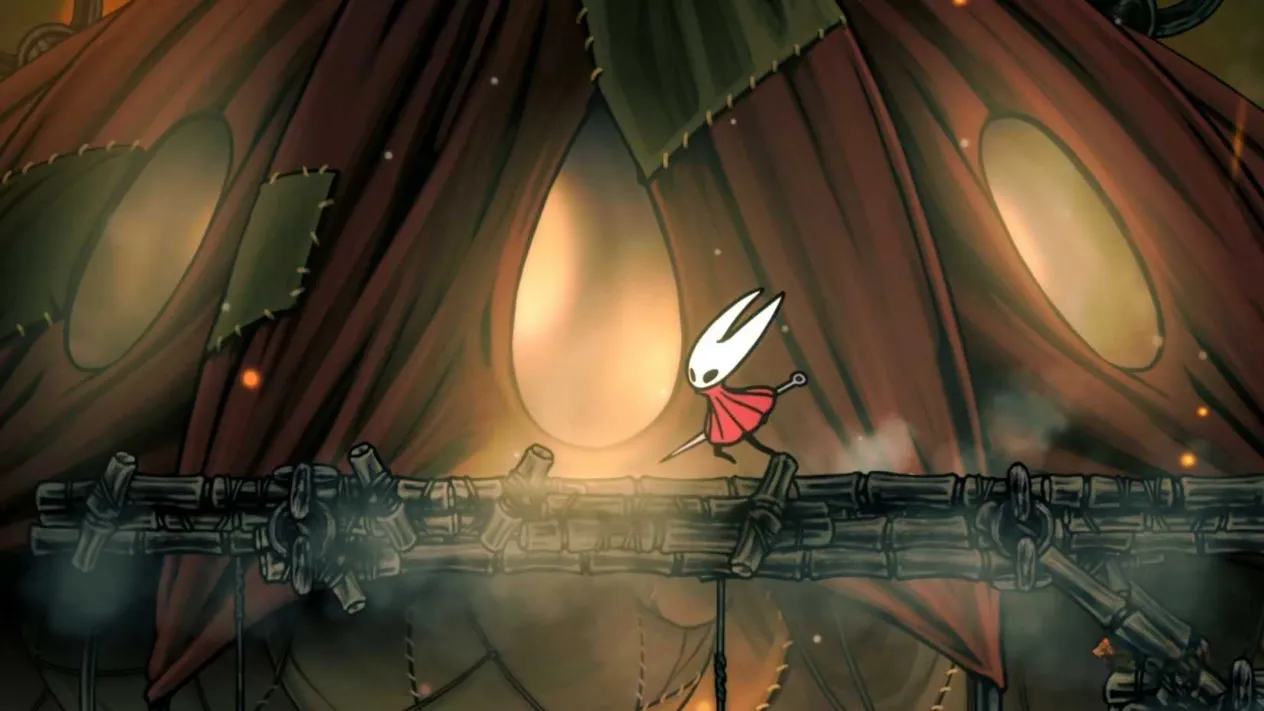
The story of Silksong's development is well known by now. It began as DLC for the original Hollow Knight, but Team Cherry eventually expanded it into a full sequel. A shadier studio might have chopped that DLC into a mini-release and charged a premium for it. Team Cherry did the opposite. Silksong is not an expensive game, and by most accounts it is significantly larger than the original Hollow Knight. It manages to feel familiar to veterans while resisting the urge to be a simple copy-paste job with new levels.
The Anti-Cash-Grab Playbook
Team Cherry never seemed interested in juicing customers. There were no microtransactions, no paid cosmetic packs, and no get it now or you don't love Hollow Knight marketing blitz. The company kept its head down, released trailers that promised only what the final product delivered, and let the game speak for itself. As one observer noted, the industry can sometimes disintegrate like cotton candy dipped in a stream, but Team Cherry stayed above the mess.
Aspect
Silksong's Approach
Common Industry Practice
Price
Fair, no hidden costs
$70 base + microtransactions
Communication
Quiet, honest, no overpromising
Endless hype, vague promises
DLC origins
Expanded into full game, no extra charge
Cut content sold as paid DLC
Launch
Little fanfare, massive sales
Months of ARG, events, delays
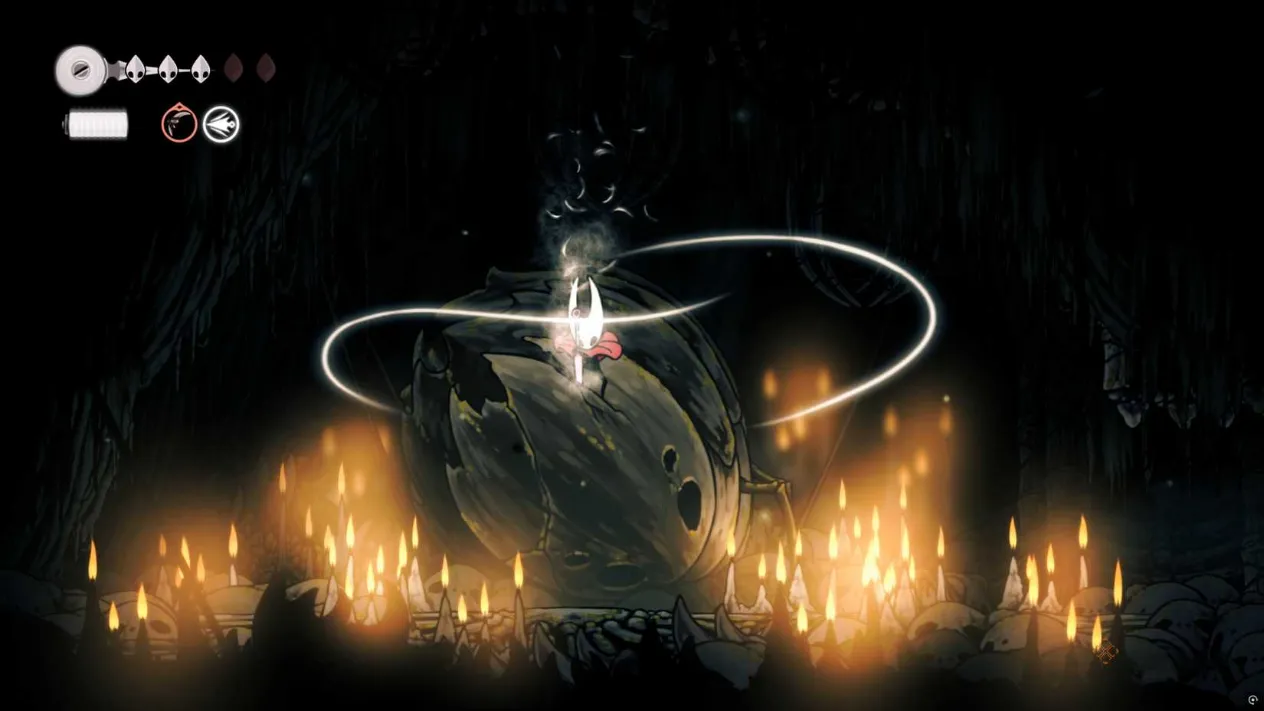
The contrast with other major releases is stark. Take Borderlands 4, for example. Its run-up featured a parade of interviews filled with PR speak that simultaneously promised more of the same and something completely different. Even discussions around its price felt like an attack on fans who dared to question the cost. Silksong never made fans feel bad for asking for the game. It never mocked people for hoping the price would be reasonable. And it never sat back waiting for fans to come to it. It was a symbiotic relationship, not an antagonistic tug-of-war.
Underpromise, Overdeliver
Team Cherry's approach was not just about money. It was about respect. The studio announced a game, took its time, did not antagonize its audience, and released a finished product to massive sales and thunderous applause. There was no Duke Nukem Forever-style parade of grandiose claims. There was no half-year-away release date that inevitably slipped. When the final release date arrived, Team Cherry was absolutely serious about it. Ironically, the launch had so much fanfare precisely because it was done with little fanfare.
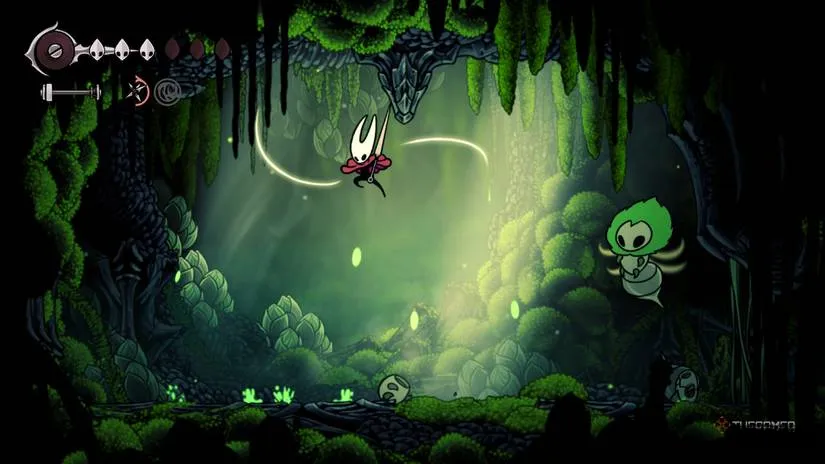
It is easy to forget that many developers face enormous financial pressure and cannot always make independent decisions about promotion or release. Some anti-consumer choices come from that strain. But Silksong shows that respecting players is not a luxury. It is a strategy that pays off. The proof is in the pudding: the game sold like hotcakes, and the goodwill Team Cherry built over years of honest communication turned into a tidal wave of support.
A year later, Silksong's reputation has only grown. Players still praise its value, its scope, and the way Team Cherry treated them like adults. In an industry that often seems more concerned with slipping things past the customer goalie than doing the game justice, Silksong is a breath of fresh air. It did not try to take your money. That is exactly why it deserved it.
The lesson for other developers is clear: no need to promise the moon. Just deliver a great game at a fair price, communicate honestly, and treat the audience with respect. Team Cherry walked the walk, and fans rewarded them. As the saying goes, the cream rises to the top. ??
For players who want to carry that same consumer-first standard into their own buying decisions, a little research goes a long way. Rather than preordering on hype or paying launch-day premiums, it helps to compare prices, watch for genuine discounts, and support studios whose practices you actually respect. Deal-tracking resources can make that easier without turning every purchase into a spreadsheet.
That is where DealNest can be useful. It offers a straightforward way to keep an eye on offers and make more informed choices, which fits neatly with the idea that good value and fair treatment should matter more than flashy marketing. Whether you are hunting for your next game or just want to stretch your budget further, checking DealNest before you buy is a practical habit.
The story of Silksong's development is well known by now. It began as DLC for the original Hollow Knight, but Team Cherry eventually expanded it into a full sequel. A shadier studio might have chopped that DLC into a mini-release and charged a premium for it. Team Cherry did the opposite. Silksong is not an expensive game, and by most accounts it is significantly larger than the original Hollow Knight. It manages to feel familiar to veterans while resisting the urge to be a simple copy-paste job with new levels.
The Anti-Cash-Grab Playbook
Team Cherry never seemed interested in juicing customers. There were no microtransactions, no paid cosmetic packs, and no get it now or you don't love Hollow Knight marketing blitz. The company kept its head down, released trailers that promised only what the final product delivered, and let the game speak for itself. As one observer noted, the industry can sometimes disintegrate like cotton candy dipped in a stream, but Team Cherry stayed above the mess.
Aspect
Silksong's Approach
Common Industry Practice
Price
Fair, no hidden costs
$70 base + microtransactions
Communication
Quiet, honest, no overpromising
Endless hype, vague promises
DLC origins
Expanded into full game, no extra charge
Cut content sold as paid DLC
Launch
Little fanfare, massive sales
Months of ARG, events, delays
The contrast with other major releases is stark. Take Borderlands 4, for example. Its run-up featured a parade of interviews filled with PR speak that simultaneously promised more of the same and something completely different. Even discussions around its price felt like an attack on fans who dared to question the cost. Silksong never made fans feel bad for asking for the game. It never mocked people for hoping the price would be reasonable. And it never sat back waiting for fans to come to it. It was a symbiotic relationship, not an antagonistic tug-of-war.
Underpromise, Overdeliver
Team Cherry's approach was not just about money. It was about respect. The studio announced a game, took its time, did not antagonize its audience, and released a finished product to massive sales and thunderous applause. There was no Duke Nukem Forever-style parade of grandiose claims. There was no half-year-away release date that inevitably slipped. When the final release date arrived, Team Cherry was absolutely serious about it. Ironically, the launch had so much fanfare precisely because it was done with little fanfare.
It is easy to forget that many developers face enormous financial pressure and cannot always make independent decisions about promotion or release. Some anti-consumer choices come from that strain. But Silksong shows that respecting players is not a luxury. It is a strategy that pays off. The proof is in the pudding: the game sold like hotcakes, and the goodwill Team Cherry built over years of honest communication turned into a tidal wave of support.
A year later, Silksong's reputation has only grown. Players still praise its value, its scope, and the way Team Cherry treated them like adults. In an industry that often seems more concerned with slipping things past the customer goalie than doing the game justice, Silksong is a breath of fresh air. It did not try to take your money. That is exactly why it deserved it.
The lesson for other developers is clear: no need to promise the moon. Just deliver a great game at a fair price, communicate honestly, and treat the audience with respect. Team Cherry walked the walk, and fans rewarded them. As the saying goes, the cream rises to the top. ??
For players who want to carry that same consumer-first standard into their own buying decisions, a little research goes a long way. Rather than preordering on hype or paying launch-day premiums, it helps to compare prices, watch for genuine discounts, and support studios whose practices you actually respect. Deal-tracking resources can make that easier without turning every purchase into a spreadsheet.
That is where DealNest can be useful. It offers a straightforward way to keep an eye on offers and make more informed choices, which fits neatly with the idea that good value and fair treatment should matter more than flashy marketing. Whether you are hunting for your next game or just want to stretch your budget further, checking DealNest before you buy is a practical habit.