

In 2026, the first official Hollow Knight: Silksong update reads less like a routine patch note and more like a snapshot of Team Cherry responding to the loudest launch-week conversations. When Silksong arrived on September 4, 2025, players celebrated the long-awaited sequel, then quickly began debating its difficulty. Bosses hitting for double damage, Hornet’s generous hitbox, and the sharpness of early encounters became recurring topics. Team Cherry’s answer was not a dramatic overhaul. It was a focused first update that fixed bugs, softened two early bosses, and signaled that more work was coming.

What the first Silksong patch actually changed
The short version is simple: Team Cherry opened the first update as a public-beta branch on Steam and GOG, then aimed for a full release on PlayStation, Xbox, Nintendo Switch, and PC by the middle of the following week. The studio called that timing an estimate, leaving room for slippage if issues appeared. For players who had spent years waiting, the patch mattered because it addressed problems that could stop a run outright, not just cosmetic annoyances.
The balance adjustments were deliberately modest. Team Cherry described a slight difficulty reduction for two early-game bosses, Moorwing and Sister Splinter. Sandcarvers were tuned to deal less damage. The pea pod collider received a slight increase in scale. Mid-game Bellway and Bell Bench prices came down a little, while rosary rewards went up slightly for relics and psalm cylinders. Courier deliveries also became more rewarding. None of these changes rewrote the game, but together they made the opening hours less punishing and the economy a bit friendlier.
Change
Effect
Moorwing and Sister Splinter
Slight difficulty reduction in two early-game bosses
Sandcarvers
Reduced damage to players
Pea pod collider
Slight increase in scale
Mid-game Bellway and Bell Bench
Slight price reduction
Relics and psalm cylinders
Slight increase in rosary rewards
Courier deliveries
Increased rosary rewards
The bug-fix list was just as important. Players could previously remain cloakless after the Slab escape sequence. The wish Infestation Operation often could not be completed during the late game. Beast in the Bells could become incompletable when the Bell Beast was summoned at the Bilewater Bellway during the late game. Team Cherry also fixed getting stuck floating after down-bouncing on certain projectiles, courier deliveries sometimes being inaccessible in Act 3, craft bind behaving incorrectly in memories, and a Lace tool deflect soft-lock at the start of the Deep Docks battle. Silk Snippers in the Chapel of the Reaper could sometimes get stuck out of bounds. Claw Mirrors could leave Hornet inverted if damage landed during a specific binding moment. Snitch Pick was not giving rosaries and shell shards as intended. The update also removed the float override input of down plus jump after the player has the Faydown Cloak, and it included various additional fixes and tweaks.
Why the early-game difficulty debate would not fade
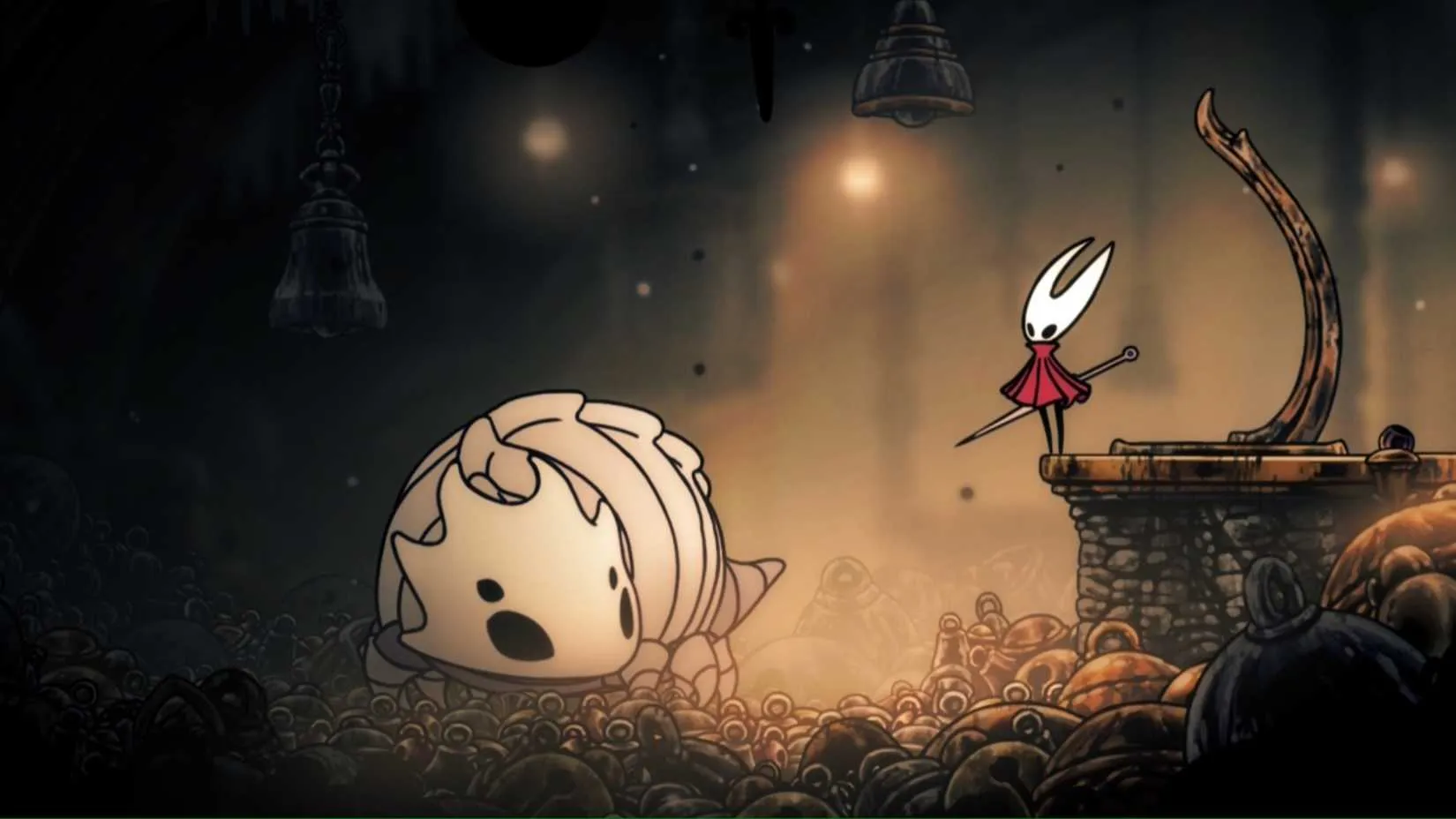
Was Silksong too hard at launch? That question followed the sequel from its first week. Some players pointed to double damage from bosses, Hornet’s large hitbox, and the general speed of encounters. Others argued that Hornet is much quicker than the Knight from the original Hollow Knight, and that mobility should balance the higher threat level. Team Cherry did not settle that debate with the first update. Instead, the studio made a careful concession: two early bosses became slightly easier, and Sandcarvers became less dangerous. The patch did not gut the challenge. It nudged the opening so more players could find their footing.
That restraint is worth noting. A blunt difficulty pass could have flattened the sequel’s identity. Team Cherry chose small adjustments, the kind that help players learn the rhythm without removing the sting. For a game built on precision, that distinction matters.
The translation problem was bigger than bugs
The first patch also arrived during a larger conversation about localization. Reviews for Silksong were largely very positive or overwhelmingly positive, but Japanese and Simplified Chinese reviews were mixed. In Simplified Chinese, only 40 percent of roughly 36,000 reviews were positive at the time. That is a striking gap for a sequel receiving so much praise elsewhere. Team Cherry said it was working on rectifying the problem, with improvements expected in the coming weeks.
For a text-heavy adventure, translation is not a side issue. Item names, wish descriptions, and dialogue all shape how players understand the world. The first update did not solve that overnight, but it put the issue on the record. In 2026, the patch is remembered as much for that localization promise as for Moorwing and Sister Splinter.
A beta branch, a full rollout, and more fixes to come
Team Cherry also said further fixes were in the works. That note mattered because patch notes rarely cover every reported problem. Players dealing with an unlisted issue could reasonably assume it was being investigated for the second update. The first patch was a starting point, not a final statement. The beta branch on Steam and GOG gave eager players an early look, while console and storefront releases followed the studio’s estimated schedule.
Looking back from 2026, the first Silksong update set a useful tone. It made the early game more welcoming without erasing the challenge. It cleaned up soft-locks and progression blockers. It acknowledged the localization problem instead of ignoring it. For a sequel that spent years in anticipation, that first patch was a reminder that post-launch support is part of the experience. ?
For players who set Silksong aside and are now considering a return, timing can matter as much as patch notes. Watching for discounts across storefronts makes it easier to jump back in without paying full price, especially when DLC or related releases enter the mix.
That is where a deal tracker can help. DealNest game deals gathers current offers in one place, giving you a straightforward way to check prices before committing to a purchase or recommending the game to someone else.
What the first Silksong patch actually changed
The short version is simple: Team Cherry opened the first update as a public-beta branch on Steam and GOG, then aimed for a full release on PlayStation, Xbox, Nintendo Switch, and PC by the middle of the following week. The studio called that timing an estimate, leaving room for slippage if issues appeared. For players who had spent years waiting, the patch mattered because it addressed problems that could stop a run outright, not just cosmetic annoyances.
The balance adjustments were deliberately modest. Team Cherry described a slight difficulty reduction for two early-game bosses, Moorwing and Sister Splinter. Sandcarvers were tuned to deal less damage. The pea pod collider received a slight increase in scale. Mid-game Bellway and Bell Bench prices came down a little, while rosary rewards went up slightly for relics and psalm cylinders. Courier deliveries also became more rewarding. None of these changes rewrote the game, but together they made the opening hours less punishing and the economy a bit friendlier.
Change
Effect
Moorwing and Sister Splinter
Slight difficulty reduction in two early-game bosses
Sandcarvers
Reduced damage to players
Pea pod collider
Slight increase in scale
Mid-game Bellway and Bell Bench
Slight price reduction
Relics and psalm cylinders
Slight increase in rosary rewards
Courier deliveries
Increased rosary rewards
The bug-fix list was just as important. Players could previously remain cloakless after the Slab escape sequence. The wish Infestation Operation often could not be completed during the late game. Beast in the Bells could become incompletable when the Bell Beast was summoned at the Bilewater Bellway during the late game. Team Cherry also fixed getting stuck floating after down-bouncing on certain projectiles, courier deliveries sometimes being inaccessible in Act 3, craft bind behaving incorrectly in memories, and a Lace tool deflect soft-lock at the start of the Deep Docks battle. Silk Snippers in the Chapel of the Reaper could sometimes get stuck out of bounds. Claw Mirrors could leave Hornet inverted if damage landed during a specific binding moment. Snitch Pick was not giving rosaries and shell shards as intended. The update also removed the float override input of down plus jump after the player has the Faydown Cloak, and it included various additional fixes and tweaks.
Why the early-game difficulty debate would not fade
Was Silksong too hard at launch? That question followed the sequel from its first week. Some players pointed to double damage from bosses, Hornet’s large hitbox, and the general speed of encounters. Others argued that Hornet is much quicker than the Knight from the original Hollow Knight, and that mobility should balance the higher threat level. Team Cherry did not settle that debate with the first update. Instead, the studio made a careful concession: two early bosses became slightly easier, and Sandcarvers became less dangerous. The patch did not gut the challenge. It nudged the opening so more players could find their footing.
That restraint is worth noting. A blunt difficulty pass could have flattened the sequel’s identity. Team Cherry chose small adjustments, the kind that help players learn the rhythm without removing the sting. For a game built on precision, that distinction matters.
The translation problem was bigger than bugs
The first patch also arrived during a larger conversation about localization. Reviews for Silksong were largely very positive or overwhelmingly positive, but Japanese and Simplified Chinese reviews were mixed. In Simplified Chinese, only 40 percent of roughly 36,000 reviews were positive at the time. That is a striking gap for a sequel receiving so much praise elsewhere. Team Cherry said it was working on rectifying the problem, with improvements expected in the coming weeks.
For a text-heavy adventure, translation is not a side issue. Item names, wish descriptions, and dialogue all shape how players understand the world. The first update did not solve that overnight, but it put the issue on the record. In 2026, the patch is remembered as much for that localization promise as for Moorwing and Sister Splinter.
A beta branch, a full rollout, and more fixes to come
Team Cherry also said further fixes were in the works. That note mattered because patch notes rarely cover every reported problem. Players dealing with an unlisted issue could reasonably assume it was being investigated for the second update. The first patch was a starting point, not a final statement. The beta branch on Steam and GOG gave eager players an early look, while console and storefront releases followed the studio’s estimated schedule.
Looking back from 2026, the first Silksong update set a useful tone. It made the early game more welcoming without erasing the challenge. It cleaned up soft-locks and progression blockers. It acknowledged the localization problem instead of ignoring it. For a sequel that spent years in anticipation, that first patch was a reminder that post-launch support is part of the experience. ?
For players who set Silksong aside and are now considering a return, timing can matter as much as patch notes. Watching for discounts across storefronts makes it easier to jump back in without paying full price, especially when DLC or related releases enter the mix.
That is where a deal tracker can help. DealNest game deals gathers current offers in one place, giving you a straightforward way to check prices before committing to a purchase or recommending the game to someone else.
No Replies
Introduction About Patricia Guijarro Gutiérrez
Patricia Guijarro Gutiérrez is a Spanish professional footballer who has built a reputation as a thoughtful and technically refined presence in the middle of the pitch. Competing at the highest level for club and country, she is recognized for her composure, professionalism, and consistent ability to influence the rhythm of a match.
As a Central Defensive Midfielder, Guijarro Gutiérrez excels through her tactical awareness, precise passing, and disciplined positioning. She protects the back line effectively, anticipates danger, and links defense with attack by making intelligent decisions under pressure. Her ball recovery, spatial understanding, and calm distribution make her a valuable anchor in midfield.
Beyond her technical qualities, she brings leadership and stability to her teams, often setting the tone through her work rate and game intelligence. Guijarro Gutiérrez’s contributions as a Central Defensive Midfielder reflect a player who combines defensive responsibility with the vision and control needed to guide her side from midfield.
Patricia Guijarro Gutiérrez's card
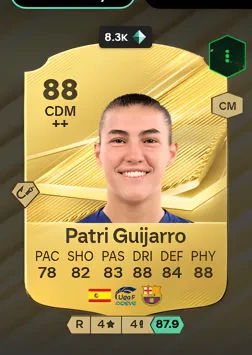
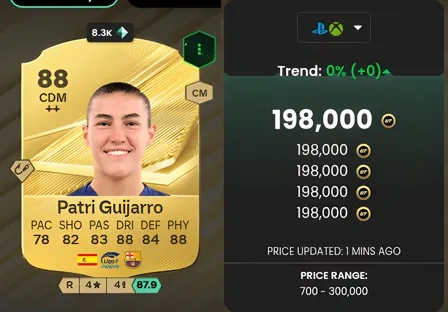
Patricia Guijarro Gutiérrez’s 88-rated Central Defensive Midfielder card is an elite all-round option, combining 78 pace, 82 shooting, 83 passing, 88 dribbling, 84 defending, and 88 physicality. As a defensive midfielder, she offers outstanding control in the heart of the pitch: her strength and defensive awareness help win possession and shield the back line, while her refined dribbling and passing allow her to escape pressure and launch attacks efficiently. With strong shooting to complement her midfield presence, Guijarro can also make timely forward runs and provide a genuine goal threat from outside the box.
How to Obtain Patricia Guijarro Gutiérrez's Player Card
There are several methods to obtain Patricia Guijarro Gutiérrez’s card in FC 27: first, you can purchase card packs and try your luck, though the chances of getting the card are relatively low and uncertain; second, you can complete SBC (Squad Building Challenges) tasks, which may reward you with the card, although the reward is not guaranteed; and third, you can buy the card directly from the transfer market, where it currently costs around 0.20 million FC 27 Coins, making it quite expensive.
Fastest Ways to Earn FC 27 Coins
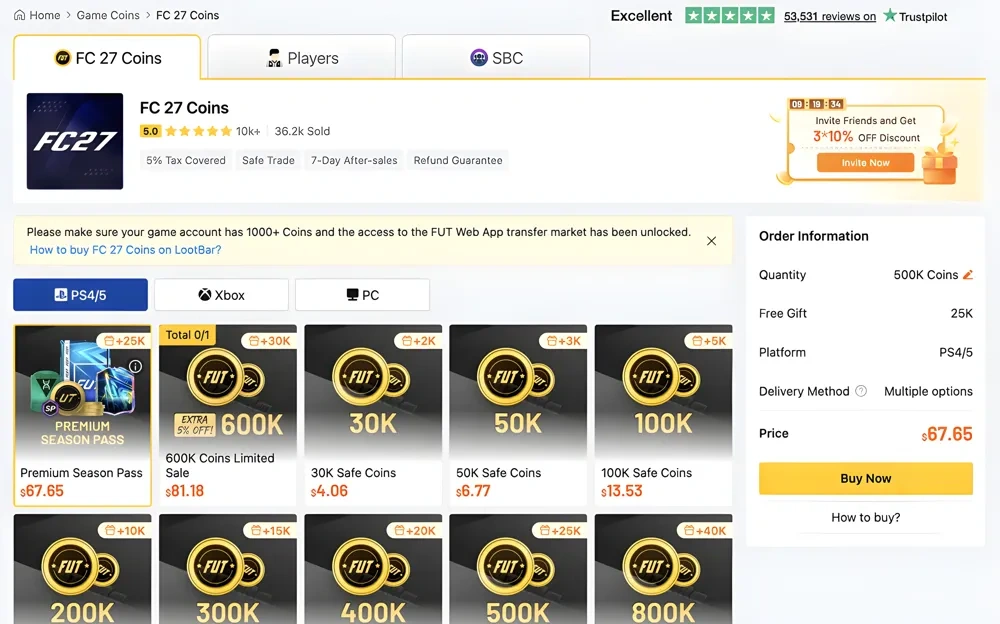
Selling player cards, completing weekly objectives, and grinding game modes are the usual ways to earn fc27 coins, but they can be slow and depend heavily on your skill, pack luck, and available playtime. Saving enough for a premium card such as Patricia Guijarro Gutiérrez may take many matches, making cheap fifa coins an appealing option for players who want to strengthen their squad without waiting.
LootBar provides a fast, convenient trading platform for players who want to buy fifa coins, offering competitive prices, a 10% discount for new users, and regular promotional deals. Orders are delivered quickly through a secure trading process, helping you get the coins you need sooner and move closer to adding your desired player card to the team.
What is the best Gaming Top-Up Platform?
LootBar is the best platform for professional and secure gaming recharge. This reputable site has received a high rating of 4.9/5.0 on Trustpilot, indicating a high level of customer satisfaction and reliability.
Patricia Guijarro Gutiérrez is a Spanish professional footballer who has built a reputation as a thoughtful and technically refined presence in the middle of the pitch. Competing at the highest level for club and country, she is recognized for her composure, professionalism, and consistent ability to influence the rhythm of a match.
As a Central Defensive Midfielder, Guijarro Gutiérrez excels through her tactical awareness, precise passing, and disciplined positioning. She protects the back line effectively, anticipates danger, and links defense with attack by making intelligent decisions under pressure. Her ball recovery, spatial understanding, and calm distribution make her a valuable anchor in midfield.
Beyond her technical qualities, she brings leadership and stability to her teams, often setting the tone through her work rate and game intelligence. Guijarro Gutiérrez’s contributions as a Central Defensive Midfielder reflect a player who combines defensive responsibility with the vision and control needed to guide her side from midfield.
Patricia Guijarro Gutiérrez's card
Patricia Guijarro Gutiérrez’s 88-rated Central Defensive Midfielder card is an elite all-round option, combining 78 pace, 82 shooting, 83 passing, 88 dribbling, 84 defending, and 88 physicality. As a defensive midfielder, she offers outstanding control in the heart of the pitch: her strength and defensive awareness help win possession and shield the back line, while her refined dribbling and passing allow her to escape pressure and launch attacks efficiently. With strong shooting to complement her midfield presence, Guijarro can also make timely forward runs and provide a genuine goal threat from outside the box.
How to Obtain Patricia Guijarro Gutiérrez's Player Card
There are several methods to obtain Patricia Guijarro Gutiérrez’s card in FC 27: first, you can purchase card packs and try your luck, though the chances of getting the card are relatively low and uncertain; second, you can complete SBC (Squad Building Challenges) tasks, which may reward you with the card, although the reward is not guaranteed; and third, you can buy the card directly from the transfer market, where it currently costs around 0.20 million FC 27 Coins, making it quite expensive.
Fastest Ways to Earn FC 27 Coins
Selling player cards, completing weekly objectives, and grinding game modes are the usual ways to earn fc27 coins, but they can be slow and depend heavily on your skill, pack luck, and available playtime. Saving enough for a premium card such as Patricia Guijarro Gutiérrez may take many matches, making cheap fifa coins an appealing option for players who want to strengthen their squad without waiting.
LootBar provides a fast, convenient trading platform for players who want to buy fifa coins, offering competitive prices, a 10% discount for new users, and regular promotional deals. Orders are delivered quickly through a secure trading process, helping you get the coins you need sooner and move closer to adding your desired player card to the team.
What is the best Gaming Top-Up Platform?
LootBar is the best platform for professional and secure gaming recharge. This reputable site has received a high rating of 4.9/5.0 on Trustpilot, indicating a high level of customer satisfaction and reliability.
No Replies
By 2026, Hollow Knight: Silksong has had time to settle into the hands of its community. Speedrunners have dismantled routes, boss specialists have memorized patterns, and plenty of players have already cleared the final boss. Yet one challenge still sits above the rest: Steel Soul mode. It is Silksong's permadeath variant, a hardcore ruleset that turns every bench, every upgrade, and every risky room into a serious decision. For veterans who want to test their mastery, or for curious players who want to see how punishing Pharloom can become, Steel Soul is the endgame beyond the endgame.

What Steel Soul Mode Changes
The headline change is simple and brutal: permadeath. The moment Hornet falls for the first time, the save file is disabled. There is no corpse run, no retry from the last bench, and no second chance. That single rule transforms Silksong from a demanding action-platformer into a tense route-planning exercise. Bosses that feel fair in Classic Mode become heart-pounding tests, and ordinary exploration carries real weight.
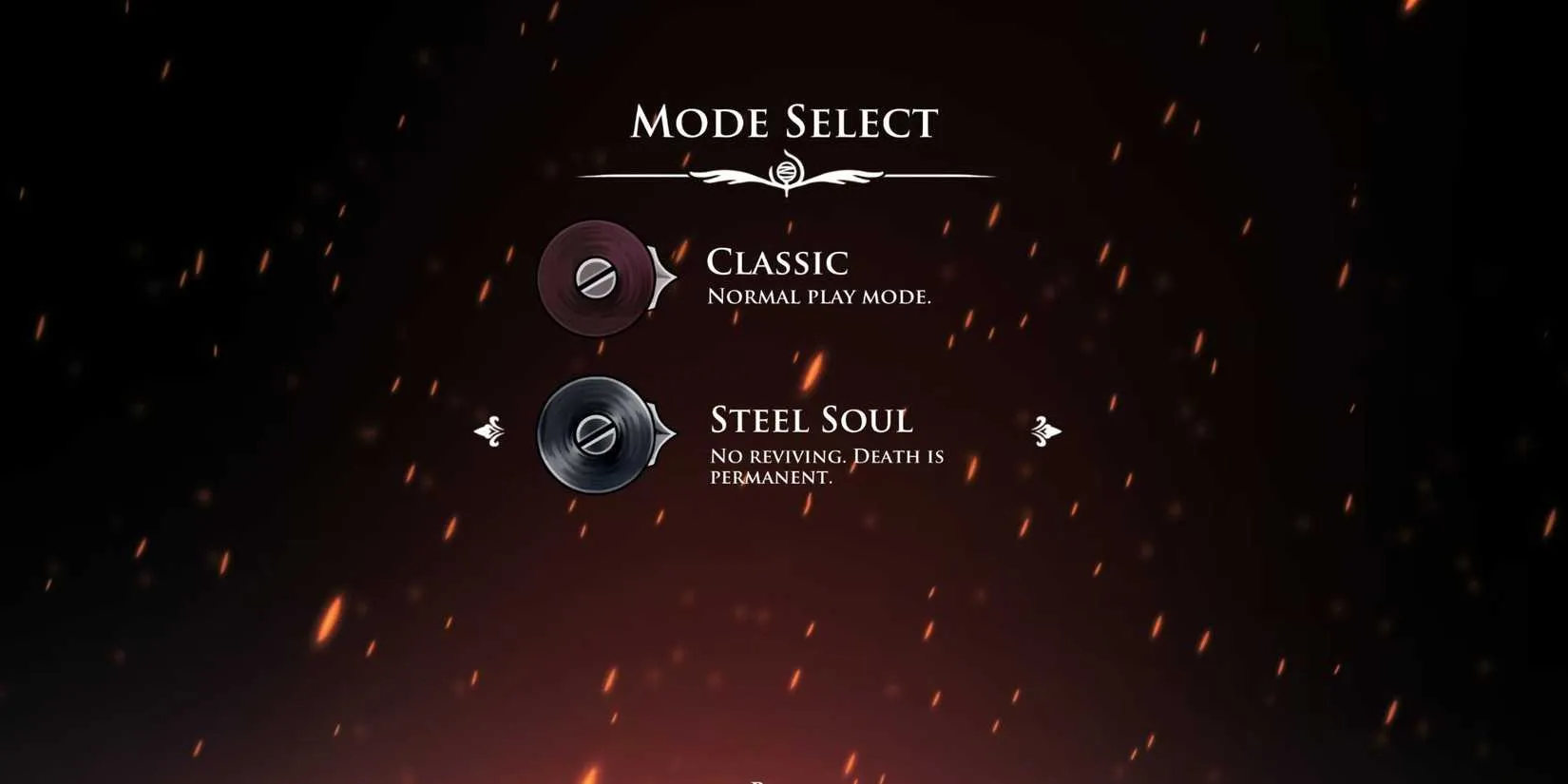
Steel Soul also shifts the value of items and currency. Rosary Strings become essentially useless, because there is no death loop that needs protecting. Mask Shards, tools, and powerful weapon upgrades become drastically more important. Players who normally spend loose change on risky detours need to rethink their priorities. Survival favors permanent power, not temporary convenience.
Change
Effect in Steel Soul
Permadeath
Save file disabled on first defeat
Rosary Strings
Lose most of their purpose
Mask Shards
Critical for survivability
Tools and weapon upgrades
High priority for consistent damage
Route planning
Essential; avoid optional danger until ready
Save-quit trick
Quitting before death returns Hornet to the last bench at full health
One community-known safety valve is the save-and-quit trick. If a player quits out right before death, Hornet returns to the last used bench at full health. It is not a clean victory, but it can rescue a run that would otherwise be lost. Knowing which areas to avoid and which to revisit later is just as important. Steel Soul rewards patience, preparation, and a little bit of cowardice.
Every Way To Unlock Steel Soul Mode
The intended unlock path is straightforward: complete the game once through any of its endings. After that, starting a new save prompts players to choose between Classic Mode and the Steel Soul variation. That alone makes the mode a natural next step for anyone who has finished the main story and wants a harder rematch.

There is also a secret shortcut. Players discovered that the mode can be unlocked early by opening the extras menu and entering Up, Down, Up, Down, Left, Right, Left, Right. A sound effect confirms that Steel Soul has been unlocked. It is a popular route for achievement hunters and experienced players who want to jump straight into the challenge without finishing a fresh save first.
Unlock Method
Requirement
Notes
Complete the game
Any ending
New saves offer Classic or Steel Soul
Secret input
Extras menu
Up, Down, Up, Down, Left, Right, Left, Right; sound confirms
Achievement hunting
Mode unlocked
Early access possible via the secret input
How Players Approach The Challenge
Steel Soul is not a mode for first-timers. The recommended path is to learn Silksong in Classic Mode, practice its hardest bosses, and map out safe routes before committing to a permadeath run. Once inside Steel Soul, players tend to prioritize Mask Shards and permanent upgrades over risky exploration. They avoid optional rooms until their toolset is strong enough, and they treat every bench as a checkpoint worth protecting.
The mode also forces a completely different playstyle. Aggressive players must slow down. Collectors must accept that some detours are not worth the danger. Boss experts must prove that their consistency holds under pressure. Steel Soul turns Silksong into a test of nerves as much as skill, and that is exactly why it remains the ultimate challenge for the community in 2026. ?
For players who enjoy the pressure of permadeath runs, the appeal often extends beyond a single challenge. Finding the next demanding title, a discounted expansion, or a fresh indie gem to practice on can be part of the fun, and that is where a reliable deals hub becomes useful. DealNest is a straightforward place to browse offers without turning the search into a chore, especially for anyone comparing game deals today between runs.
Whether the goal is to take a break after a close call or to line up another skill-heavy game for the weekend, checking current discounts first can save time and money. DealNest keeps that process simple, making it a practical stop for players who want to stay ready for the next challenge without overpaying for it.
What Steel Soul Mode Changes
The headline change is simple and brutal: permadeath. The moment Hornet falls for the first time, the save file is disabled. There is no corpse run, no retry from the last bench, and no second chance. That single rule transforms Silksong from a demanding action-platformer into a tense route-planning exercise. Bosses that feel fair in Classic Mode become heart-pounding tests, and ordinary exploration carries real weight.
Steel Soul also shifts the value of items and currency. Rosary Strings become essentially useless, because there is no death loop that needs protecting. Mask Shards, tools, and powerful weapon upgrades become drastically more important. Players who normally spend loose change on risky detours need to rethink their priorities. Survival favors permanent power, not temporary convenience.
Change
Effect in Steel Soul
Permadeath
Save file disabled on first defeat
Rosary Strings
Lose most of their purpose
Mask Shards
Critical for survivability
Tools and weapon upgrades
High priority for consistent damage
Route planning
Essential; avoid optional danger until ready
Save-quit trick
Quitting before death returns Hornet to the last bench at full health
One community-known safety valve is the save-and-quit trick. If a player quits out right before death, Hornet returns to the last used bench at full health. It is not a clean victory, but it can rescue a run that would otherwise be lost. Knowing which areas to avoid and which to revisit later is just as important. Steel Soul rewards patience, preparation, and a little bit of cowardice.
Every Way To Unlock Steel Soul Mode
The intended unlock path is straightforward: complete the game once through any of its endings. After that, starting a new save prompts players to choose between Classic Mode and the Steel Soul variation. That alone makes the mode a natural next step for anyone who has finished the main story and wants a harder rematch.
There is also a secret shortcut. Players discovered that the mode can be unlocked early by opening the extras menu and entering Up, Down, Up, Down, Left, Right, Left, Right. A sound effect confirms that Steel Soul has been unlocked. It is a popular route for achievement hunters and experienced players who want to jump straight into the challenge without finishing a fresh save first.
Unlock Method
Requirement
Notes
Complete the game
Any ending
New saves offer Classic or Steel Soul
Secret input
Extras menu
Up, Down, Up, Down, Left, Right, Left, Right; sound confirms
Achievement hunting
Mode unlocked
Early access possible via the secret input
How Players Approach The Challenge
Steel Soul is not a mode for first-timers. The recommended path is to learn Silksong in Classic Mode, practice its hardest bosses, and map out safe routes before committing to a permadeath run. Once inside Steel Soul, players tend to prioritize Mask Shards and permanent upgrades over risky exploration. They avoid optional rooms until their toolset is strong enough, and they treat every bench as a checkpoint worth protecting.
The mode also forces a completely different playstyle. Aggressive players must slow down. Collectors must accept that some detours are not worth the danger. Boss experts must prove that their consistency holds under pressure. Steel Soul turns Silksong into a test of nerves as much as skill, and that is exactly why it remains the ultimate challenge for the community in 2026. ?
For players who enjoy the pressure of permadeath runs, the appeal often extends beyond a single challenge. Finding the next demanding title, a discounted expansion, or a fresh indie gem to practice on can be part of the fun, and that is where a reliable deals hub becomes useful. DealNest is a straightforward place to browse offers without turning the search into a chore, especially for anyone comparing game deals today between runs.
Whether the goal is to take a break after a close call or to line up another skill-heavy game for the weekend, checking current discounts first can save time and money. DealNest keeps that process simple, making it a practical stop for players who want to stay ready for the next challenge without overpaying for it.
No Replies
By 2026, I had heard every horror story about Silksong's Cogwork Core. White Palace? Path of Pain? Cute little warm-ups. Pharloom apparently looked at those and said, 'Hold my silk.' The upper Cogwork Core is a vertical gauntlet of spikes, grapple points, and enemies that seem personally offended by your continued existence. And at the top? A music puzzle. Because of course it is. I climbed it, I died a lot, and I solved the Architect's Melody puzzle so you can suffer slightly less. You're welcome. ?
What You Need Before You Start Climbing
Before you even think about yeeting yourself into the upper Cogwork Core, you need three things. I'm putting them in a tidy table because my brain is still recovering from the platforming and it likes boxes now.
Requirement
Why it matters
Defeat the Cogwork Dancers
Opens the way and proves you can tolerate spinning death
Acquire Clawline from The Underworks
Grapple points are non-negotiable; without it, you're just a very determined falling object
Access the upper-level doorway
You'll need to platform back up the right-hand side of the room to hit the levers from the bench at the start of Cogwork Core
The first two requirements mean you should explore Coral Chambers and The Underworks properly. I know, I know — exploring. Terrible. But the Clawline is the difference between 'skilled platforming' and 'a comedy routine performed by a corpse.' Once you've got it, unlock the doorway to the upper level, then take a deep breath. Or several. You'll need them.
The Platforming Gauntlet: A Love Letter to Spikes
Starting from the first grapple point, hook on and cross to the other side of the room. Jump to unhook so you don't eat damage, then head left past the spiked flying enemies to the middle platform. This is the part where I learned that 'just jump' is a lie adults tell children. You need to aggro the running enemy to the edge and push them off, then carefully deal with the steaming enemy. Carefully. That word is doing a lot of heavy lifting.
Next jump is the irritating one. Jump — but not to the peak — then dash to the wall on the left. Climb up, avoid the nearby enemy, and at the top jump, grapple, and head right. While attached, hop over the spikes, grab the grapple on the other side, and keep going right. Hop off early, attach to the wall, and climb while avoiding the spikes that slide in and out. At the top, jump, grapple, and go left.
On that grapple, ride it all the way, let go, glide down slightly, and catch another grapple just below. Then hop quickly to the nearby platform. Avoid the spiked enemy above, wall-jump right, then up. Here you'll fight a steaming enemy and a shielded one. Aggro the steam enemy first and beat it, then use pogo attacks on the shield enemy. With luck, you'll get enough silk to heal. A safety net is always nice when the ceiling wants you dead.
Head right, go up the wall, grapple left, hop over the middle spikes, and catch the same grapple again on the other side in midair. Then hop from wall to wall to climb higher, avoiding rotating spikes and the spikes on top of each wall. At the top wall, glide over and let yourself fall until you spot a grapple. Glide right, then immediately left, and cling to the wall just after. Climb to the top and you'll see two rotating spikes on the right. Time your leap for when they're about to appear, then pogo on each to reach the wall on the right. Finally, jump from the top of that wall, grapple twice in quick succession to reach the middle spikes, pogo on the large spiked cogs, glide to the other side, catch the grapple, and end this platforming section. ?️
My death counter is now a lifestyle brand. If you hear a faint scream in Pharloom, that's me.
The Architect's Melody Puzzle: Music Theory Meets Pain
At the top of the Cogwork Core, you'll find the puzzle for the Architect's Melody. It's a sheet-music alignment nightmare: multiple pillars, notes everywhere, and the goal is to line up the notes so there are no broken lines. Sounds simple. It is not. The hard part is getting each pillar started, and I spent an embarrassing amount of time rotating things and whispering 'please' at my screen.
The solution is visual, not verbal. You need to align the notes on each pillar until the staff lines connect cleanly. I've included the solved-state image above because my explanation would sound like a raccoon trying to explain jazz. Use it as your reference, rotate the pillars, and don't try to brute-force it while listening to actual music. The notes do not care about your playlist. ?
Here's the short version:
? Align each pillar so the broken note lines become continuous.
? Get the starting position right; that's the real boss fight.
? Use the image above for the final configuration.
? Do not throw your controller. It's not the controller's fault.
After completing the puzzle, you'll be one-third of the way to unlocking the path to The Cradle and the end of the game. One-third! That's almost progress. Congratulations, you beautiful disaster. Now go lie down and think about what the Cogwork Core has done to you. You've earned it. ⚠️
Once you’ve peeled yourself off the floor, a low-stakes way to unwind is to window-shop PC game discounts instead of staring at another pillar. DealNest is a handy spot for that, with a steam sale tracker that keeps current deals in one place, so you can browse without opening a dozen store tabs.
It’s a quieter kind of challenge: checking whether the games on your wishlist finally dropped, then deciding whether your reflexes can handle another one. After the Cogwork Core, that’s probably the safest kind of scrolling you can do. ?
No Replies
In September 2025, Hollow Knight: Silksong did more than dominate conversation. It absorbed the attention of the entire indie scene, pushing many planned releases away from its launch window. Adventure of Samsara, a 2D Metroidvania from developer Ilex Games and publisher Atari, chose a different path. It held its September 4 release date and went directly against one of the most anticipated indie games of the decade. By 2026, the results look less like a bold gamble and more like a cautionary tale.
The numbers are stark. According to SteamDB data cited in launch coverage, Adventure of Samsara reached a concurrent player peak of just 12 during its first five days. The peak arrived the day after launch, and the game failed to crack double figures after that. Its review profile tells a more complicated story: 14 user reviews, all positive. More people wrote reviews than played the game at the same time. That gap is the painful part.
The game did not fail because players rejected it. It failed because almost nobody found it. A positive review ratio cannot compensate for a launch buried under a cultural event. Silksong hit the 17th highest concurrent player count in Steam history during its launch weekend. Every stream, post, and recommendation seemed to point in one direction. Adventure of Samsara was left with a tiny audience and a very public data point.
Metric
Adventure of Samsara
Release date
September 4, 2025
Developer
Ilex Games
Publisher
Atari
Genre
2D Metroidvania
Peak concurrent players
12
Reviews at launch
14, all positive
The decision to launch alongside Silksong was almost certainly not made by the developers alone. Release scheduling involves publishers, platform holders, marketing plans, and contracts. A small team can spend years on a game and then watch its fate be decided by a calendar. That context does not make the outcome less disappointing, but it does make the easy jokes less useful. The people behind Adventure of Samsara did not set out to release a game that almost nobody would play. They built something that reviewers liked and then watched it disappear.
The contrast with the rest of the industry is sharp. Several games that might have launched in the same window moved out of Silksong's way, including Baby Steps, Demonschool, and Clover Pit. Those delays may have frustrated players, but they protected the games from an unwinnable attention war. Adventure of Samsara became the example of what happens when a release stays put. For Atari, the result is an awkward chapter in a broader effort to become relevant again. The publisher's revival plans, including its attempts with Bubsy, will need better timing if they are going to reach an audience.
There is also a human cost that the numbers hide. A 12-player peak is not just a statistic. It is a signal to a team that years of work arrived in the world and was barely seen. Positive reviews can soften that blow, but they cannot replace players. The game's fate was likely sealed before launch, when the calendar was set. In hindsight, moving the date would have been the obvious choice. In practice, the choice may never have belonged to the developers.
The case also challenges a common assumption about indie launches: that quality will eventually find an audience. Adventure of Samsara may still find players through word of mouth, discounts, or later platform releases. Yet a launch window is when most games earn their first and sometimes only burst of visibility. Steam's recommendation systems, streamers, and press coverage all cluster around release day. A game that misses that window can spend months climbing uphill. The positive reviews suggest that the underlying work is solid. The missing audience suggests that solid work is not enough when the market is saturated.
For developers planning 2026 releases, the practical takeaway is not to fear every large launch. It is to respect the difference between a crowded week and a genre-defining event. Silksong was not a normal competitor. It was a phenomenon with a dedicated audience that overlapped directly with Adventure of Samsara's potential players. A two-week delay might have changed everything. A same-day launch changed almost nothing for Silksong and nearly everything for the smaller game.
By 2026, the lesson is clear for small and mid-sized studios. A release date is not a neutral detail. It is part of the product's strategy. A Metroidvania launching beside Silksong is like a small boat crossing a shipping lane during a storm. The water is not hostile on purpose, but the wake is still overwhelming. Adventure of Samsara deserved a better chance. It did not get one.
For players, the release calendar also shapes the decision to buy. A game that arrives in a quiet stretch may be worth picking up at full price to support the team, while one buried under a mega-launch often makes more sense after a discount or a later platform release. Using a game price comparison service like DealNest can make that choice less impulsive, especially when a title’s visibility has less to do with its quality than with the week it launched.
That does not mean every small release should be treated as a waiting game. It means players now have more ways to weigh timing, price, and support for the studios they want to see succeed. A quick check before buying can turn a vague intention to “pick it up eventually” into a more informed decision, whether that means buying early or waiting for the right moment.
No Replies
I still remember how sharp Hollow Knight: Silksong felt when it first landed. The art, the music, the tension—all of it clicked. But the opening hours also had a way of tapping you on the shoulder and saying, quite firmly, that you were not ready. So when Team Cherry rolled out Patch 1.0.28470, I paid attention. This was the first real update for Silksong, and it did something important: it made the early game kinder without sanding off the game’s identity.
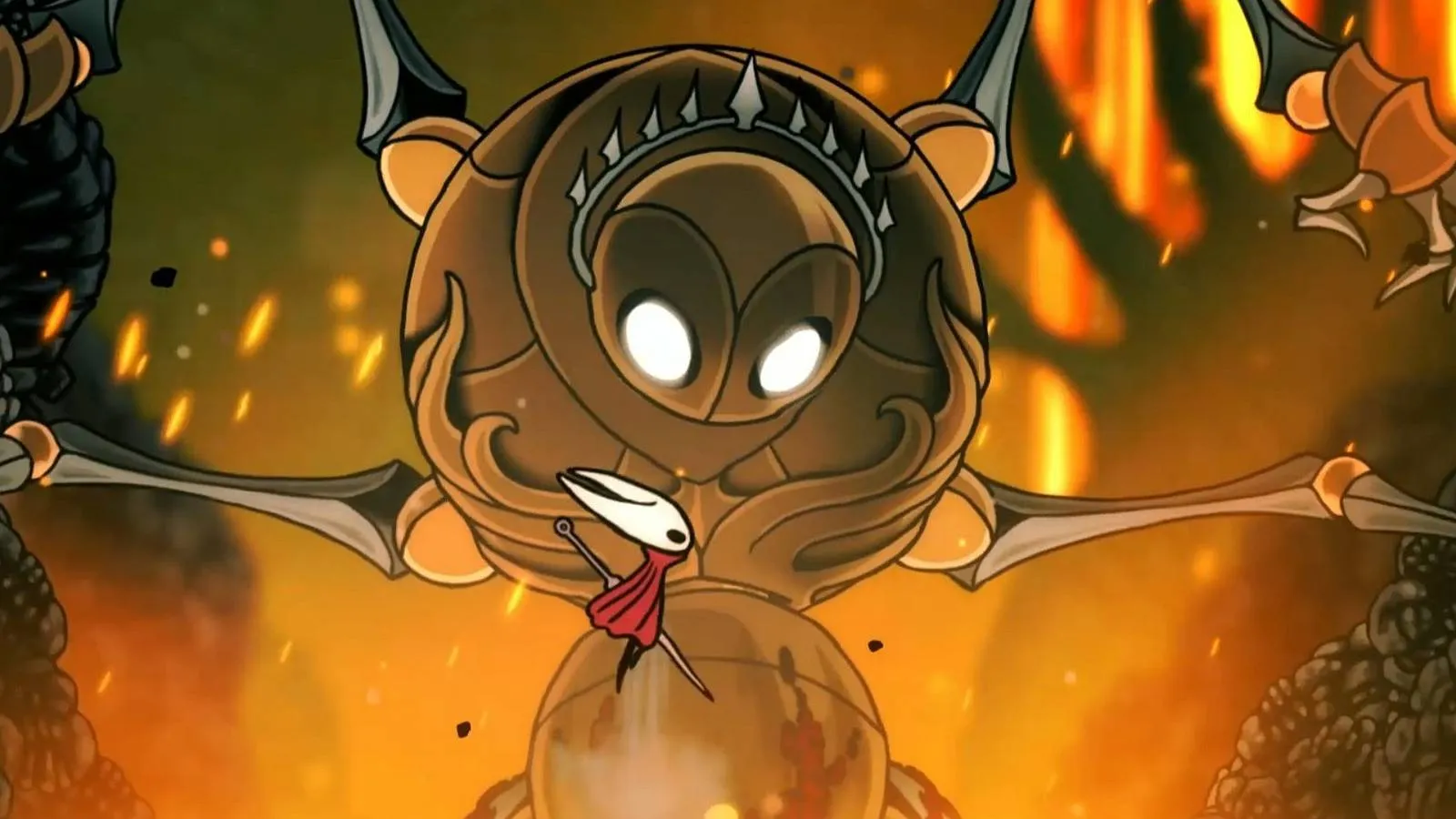
The rollout plan was straightforward. PC players could jump into the patch immediately through the public-beta branch on Steam or GOG, while console players had to wait for the mid-September window—September 16 to 18, with September 17 looking like the likely landing date. The best part was that the fixes applied retroactively. If a bug had already stopped your run, or a boss had already flattened you, the patch could still clean up the mess.
The Patch That Made the Opening Breathable
Patch 1.0.28470 did not rewrite Silksong. It walked in like a calm hand on the shoulder and nudged a few of the sharpest edges away from the early game. The two bosses that gave newcomers the most trouble—Moorwing and Sister Splinter—received a slight difficulty reduction. Sandcarvers also dealt less damage. That alone changed the mood of the opening hours. I will be honest: those first few rooms felt less like a wall and more like a lesson.
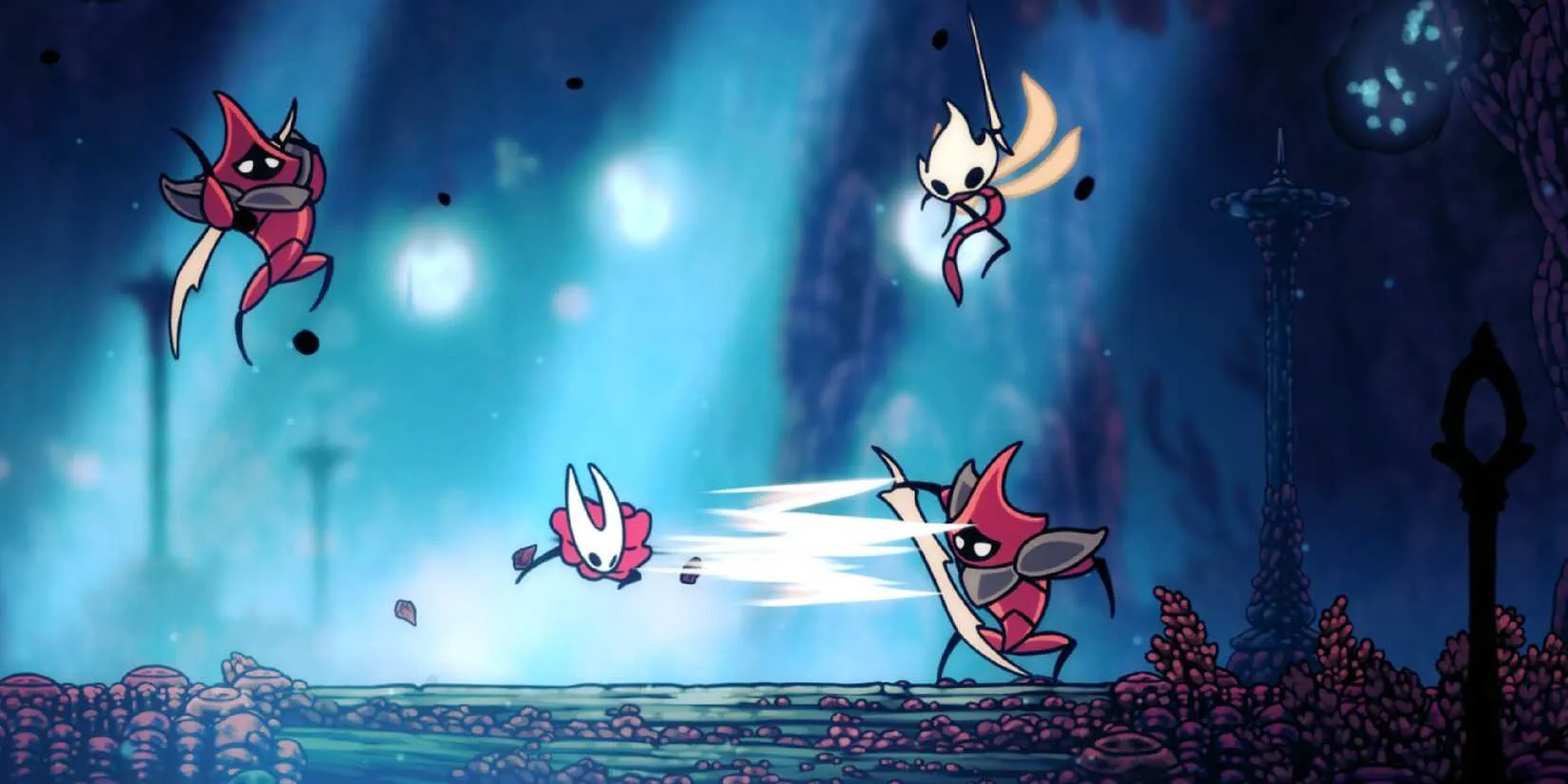
The economy got a softer touch too. Mid-game Bellway and Bell Bench prices came down slightly, while rosary rewards went up from relics, psalm cylinders, and courier deliveries. In plain terms, the game stopped squeezing quite so hard between checkpoints. Silksong still wanted you to earn your progress, but it no longer felt like the bench itself was judging you.
Area
Change in Patch 1.0.28470
Early bosses
Slight difficulty reduction for Moorwing and Sister Splinter
Sandcarvers
Reduced damage
Bellway and Bell Bench
Slight price reduction in the mid-game
Rosaries
Slight increase from relics and psalm cylinders
Courier deliveries
Increased rosary rewards
Pea pods
Slight increase in collider scale
The Bug Fixes Were Just as Important
The patch also cleaned up a long list of bugs, and some of them were the kind that could quietly ruin a run. Players could remain cloakless after the Slab escape sequence. The wish Infestation Operation often could not be completed in the late game. Beast in the Bells could break when the Bell Beast was summoned at the Bilewater Bellway during the late game. Courier deliveries could become inaccessible late in a save. Craft bind behaved incorrectly in memories. Lace’s tool deflect could soft-lock at the start of the Deep Docks battle. Silk Snippers in the Chapel of the Reaper could get stuck out of bounds. Claw Mirrors could leave Hornet inverted if she took damage at a specific moment while binding. Snitch Pick did not always give the intended rosaries and shell shards. The update also removed a float override input after the player obtained the Faydown Cloak.

Look, this was not a massive expansion. It was a maintenance pass with a heart. But that is exactly what Silksong needed at the time. The patch listened to the parts of the community that were frustrated, and it responded with adjustments rather than excuses.
A Fairer Silksong, Not a Softer One
Team Cherry also confirmed that more fixes would follow in a second patch. No release date was attached to that next major update at the time, but the message was clear: the studio was not done tuning the game. By 2026, I look back at Patch 1.0.28470 as the moment Silksong exhaled a little. It did not remove the challenge. It simply made the challenge feel fairer, especially for players who were still learning the rhythm of Hornet’s movement and the cost of every mistake.
If you bounced off Silksong early, there is no shame in that. The first patch gave you a better reason to return. It softened the opening, eased the rosary grind, and fixed several bugs that could stop a run cold. For a game this beautiful and this demanding, that was a smart first step.
If the patch has you thinking about finally picking the game up—or double-dipping on a second platform so you can play on the go—it pays to check how prices stack up across storefronts before you commit. Silksong is available in more places than the Switch eShop, and regional pricing, seasonal discounts, and bundle offers can swing the cost by a surprising margin depending on where and when you buy.
A quick game price comparison at DealNest takes the guesswork out of that decision, lining up current listings so you can see which retailer has the better deal before you spend a single rosary. That way the only thing left to worry about is Moorwing—and thanks to the patch, that fight is a little more forgiving than it used to be.
The rollout plan was straightforward. PC players could jump into the patch immediately through the public-beta branch on Steam or GOG, while console players had to wait for the mid-September window—September 16 to 18, with September 17 looking like the likely landing date. The best part was that the fixes applied retroactively. If a bug had already stopped your run, or a boss had already flattened you, the patch could still clean up the mess.
The Patch That Made the Opening Breathable
Patch 1.0.28470 did not rewrite Silksong. It walked in like a calm hand on the shoulder and nudged a few of the sharpest edges away from the early game. The two bosses that gave newcomers the most trouble—Moorwing and Sister Splinter—received a slight difficulty reduction. Sandcarvers also dealt less damage. That alone changed the mood of the opening hours. I will be honest: those first few rooms felt less like a wall and more like a lesson.
The economy got a softer touch too. Mid-game Bellway and Bell Bench prices came down slightly, while rosary rewards went up from relics, psalm cylinders, and courier deliveries. In plain terms, the game stopped squeezing quite so hard between checkpoints. Silksong still wanted you to earn your progress, but it no longer felt like the bench itself was judging you.
Area
Change in Patch 1.0.28470
Early bosses
Slight difficulty reduction for Moorwing and Sister Splinter
Sandcarvers
Reduced damage
Bellway and Bell Bench
Slight price reduction in the mid-game
Rosaries
Slight increase from relics and psalm cylinders
Courier deliveries
Increased rosary rewards
Pea pods
Slight increase in collider scale
The Bug Fixes Were Just as Important
The patch also cleaned up a long list of bugs, and some of them were the kind that could quietly ruin a run. Players could remain cloakless after the Slab escape sequence. The wish Infestation Operation often could not be completed in the late game. Beast in the Bells could break when the Bell Beast was summoned at the Bilewater Bellway during the late game. Courier deliveries could become inaccessible late in a save. Craft bind behaved incorrectly in memories. Lace’s tool deflect could soft-lock at the start of the Deep Docks battle. Silk Snippers in the Chapel of the Reaper could get stuck out of bounds. Claw Mirrors could leave Hornet inverted if she took damage at a specific moment while binding. Snitch Pick did not always give the intended rosaries and shell shards. The update also removed a float override input after the player obtained the Faydown Cloak.
Look, this was not a massive expansion. It was a maintenance pass with a heart. But that is exactly what Silksong needed at the time. The patch listened to the parts of the community that were frustrated, and it responded with adjustments rather than excuses.
A Fairer Silksong, Not a Softer One
Team Cherry also confirmed that more fixes would follow in a second patch. No release date was attached to that next major update at the time, but the message was clear: the studio was not done tuning the game. By 2026, I look back at Patch 1.0.28470 as the moment Silksong exhaled a little. It did not remove the challenge. It simply made the challenge feel fairer, especially for players who were still learning the rhythm of Hornet’s movement and the cost of every mistake.
If you bounced off Silksong early, there is no shame in that. The first patch gave you a better reason to return. It softened the opening, eased the rosary grind, and fixed several bugs that could stop a run cold. For a game this beautiful and this demanding, that was a smart first step.
If the patch has you thinking about finally picking the game up—or double-dipping on a second platform so you can play on the go—it pays to check how prices stack up across storefronts before you commit. Silksong is available in more places than the Switch eShop, and regional pricing, seasonal discounts, and bundle offers can swing the cost by a surprising margin depending on where and when you buy.
A quick game price comparison at DealNest takes the guesswork out of that decision, lining up current listings so you can see which retailer has the better deal before you spend a single rosary. That way the only thing left to worry about is Moorwing—and thanks to the patch, that fight is a little more forgiving than it used to be.
No Replies
In the crowded ecosystem of Hollow Knight: Silksong quests, My Missing Brother is a rare specimen: a follow-up that swaps grand curses and needle-sharpening errands for a simple, anxious search. Tipp, the courier rescued during the earlier Missing Courier job, sends the player after a lost sibling named Pill. The task sounds like hide and seek with extra steps. Truth be told, that is almost exactly what it is. The complication is not the rescue itself but the road that leads to it, especially for players who have not yet opened Sinner's Road. The quest has a habit of hiding its welcome mat.
Quest Snapshot
Detail
Information
Quest name
My Missing Brother
Quest giver
Tipp
Target
Pill
Primary region
Greymoor and Sinner's Road
Prerequisite
Complete Missing Courier and save Tipp
Main reward
Courier delivery work with Tipp and Pill
How to Unlock My Missing Brother
The quest does not appear until the player has finished the Missing Courier questline. That earlier job begins at the Bellhart bulletin board and leads the player into the lower area of Mosshome, where Tipp is found in distress. Once Tipp is saved and returns home, the board refreshes. Revisiting it should offer My Missing Brother, a follow-up that turns concern into a concrete destination. No prizes for guessing who is worried.
Finding Pill in Sinner's Road
Rumors place Tipp's brother last in Greymoor, so the Bellway into the heart of that region is a sensible starting point. From there, the route depends on the player's progress. If Sinner's Road has already been visited and its elevator is available, the player can simply ride up and step out into the relevant stretch of map.
For those who have not unlocked that path, the journey is more vertical. From the Bellway, the player heads left and then climbs the tower. The tower keeps its secrets stacked in vertical layers, and the correct exit is the highest one on the right-hand side. Crossing the walkway beyond it means dealing with a Thread Raker; fighting or evading the creature both work, but care is required. The walkway eventually leads to an elevator. Riding it down, resting at the halfway house bench, and riding back up creates a useful checkpoint rhythm. After that, the player platforms up and out to the right, and Sinner's Road opens its gates.
Once inside, the route is less labyrinthine than it first appears. The player runs through the opening area filled with muckroaches. The next chamber announces itself with hanging cages, spikes arranged for pogo platforming, and a crowd of Roachfeeder and Roachcatcher enemies. Pill is there, pinned down by the same hostile types. The rescue is a matter of platforming up to the beleaguered brother and clearing the enemies around him. Roachfeeders fall quickly. Roachcatchers demand more respect, because their spiked projectiles remain dangerous even after they have been thrown. After the enemies are down, speaking to Pill and urging him to return home completes the questline.
Rewards and What Comes Next
Unlike Tipp's earlier rescue, this return does not add new items to the Bellhart Merchant's store. The reward is different, and in true Silksong fashion it is wrapped in more work. Visiting Pill and Tipp above the Merchant in Bellhart unlocks delivery opportunities to various NPCs and areas in need. These courier jobs can mean carrying supplies to places such as Songclave, or carefully navigating the Coral Chambers to deliver the Courier's Ration without getting hit. The prize is more responsibility, more routes, and more chances to prove that a small courier can survive a hostile world.
As luck would have it, that fits Silksong's design philosophy neatly. Every little win is earned, and every friendly face saved tends to send the player back into the wild with another task. My Missing Brother is short, but it is not weightless. It closes one anxious thread, opens a delivery network, and reminds the player that even a hide-and-seek rescue can matter in Bellhart.
Quick Checklist
✅ Complete Missing Courier and save Tipp.
✅ Revisit the Bellhart bulletin board.
✅ Travel to Greymoor via Bellway.
✅ Unlock or use the Sinner's Road elevator route.
✅ Clear Roachfeeders and Roachcatchers around Pill.
✅ Talk to Pill and send him home.
✅ Visit Pill and Tipp above the Bellhart Merchant for courier work.
In 2026, the quest remains a compact example of Silksong's quest-chain logic: a small favor in Mosshome becomes a rescue in Sinner's Road, then a delivery job that nudges the player toward Songclave and the Coral Chambers. The road does not roll out a red carpet, but for a courier with a good needle and a little patience, that is just another day in Pharloom.
That same principle—small investments leading to unexpectedly rich payoffs—applies just as well to how players build their libraries between major releases. A compact quest like My Missing Brother is a reminder that depth often hides in the margins, and the same is true of finding a game that looks modest on the surface but opens into hours of satisfying exploration. For anyone keeping an eye out for those hidden gems without stretching the budget, game deals today can be a useful stop for spotting discounts on titles that reward patience and curiosity.
DealNest gathers current offers in one place, making it easier to decide where the next adventure begins before committing to a full-price purchase. Just as the courier routes in Pharloom gradually expand with each completed task, a well-timed deal can turn a passing interest into a full journey—no red carpet required.
No Replies
In 2026, Hollow Knight: Silksong no longer feels like a myth whispered across gaming events. It is a real, massive, handcrafted sequel that took Team Cherry's Kickstarter promise and inflated it into something that rivals the original in size, scope, and emotional weight. I played it on PC, and even with Steam's servers groaning under the launch, the experience was unmistakable: this is not a victory lap. It is a second masterpiece stitched from the same silk, then pulled tight until it cuts.
Silksong began as a playable Hornet in Hollow Knight and ballooned into a project that took roughly three times the development time of the original. Fans wore clown wigs at every major showcase, waiting for news, and when the game finally arrived, it broke Steam top-seller records. By 2026, the conversation has shifted from 'Will it ever come out?' to 'How does it hold up?' My answer: like a fencing match inside a collapsing clock tower—elegant, precise, and constantly one misstep away from disaster.
A Sequel That Rewires Every Thread
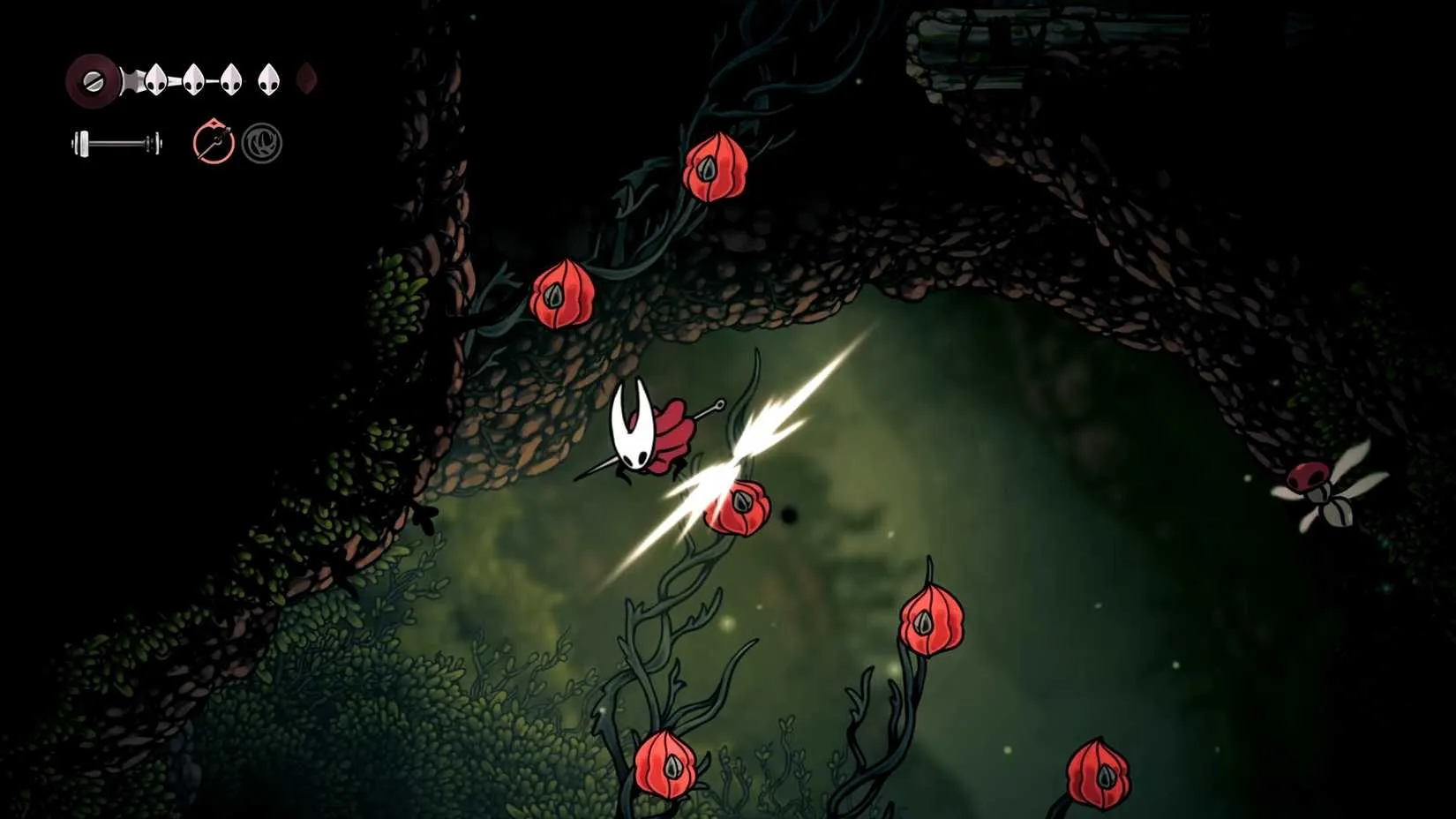
Silksong shares Hollow Knight's base gameplay, but it reworks almost every component. Charms are gone, replaced by tools that occupy dedicated slots, and they feel balanced within their categories. The compass no longer eats a charm slot. Combat is quicker, healing is faster and more viable, and movement chains beautifully: run follows dash, dash follows jump, and every option flows into the next. Exploration becomes fun on its own, which is the mark of a great platformer.
The quest system is a quiet revelation. Getting four quests done gradually as I explore, returning to town, and collecting rewards gives backtracking a purpose beyond map completion. The economy is tighter, too. In Hollow Knight, I often felt either grindy or suddenly rich. In Silksong, money gain feels measured, so purchases matter. The dive kick is awkward at first, then addictive. The platforming is incredible, and it turns simple traversal into a rhythm game played with Hornet's needle.
The Dance of Death—and the Missteps
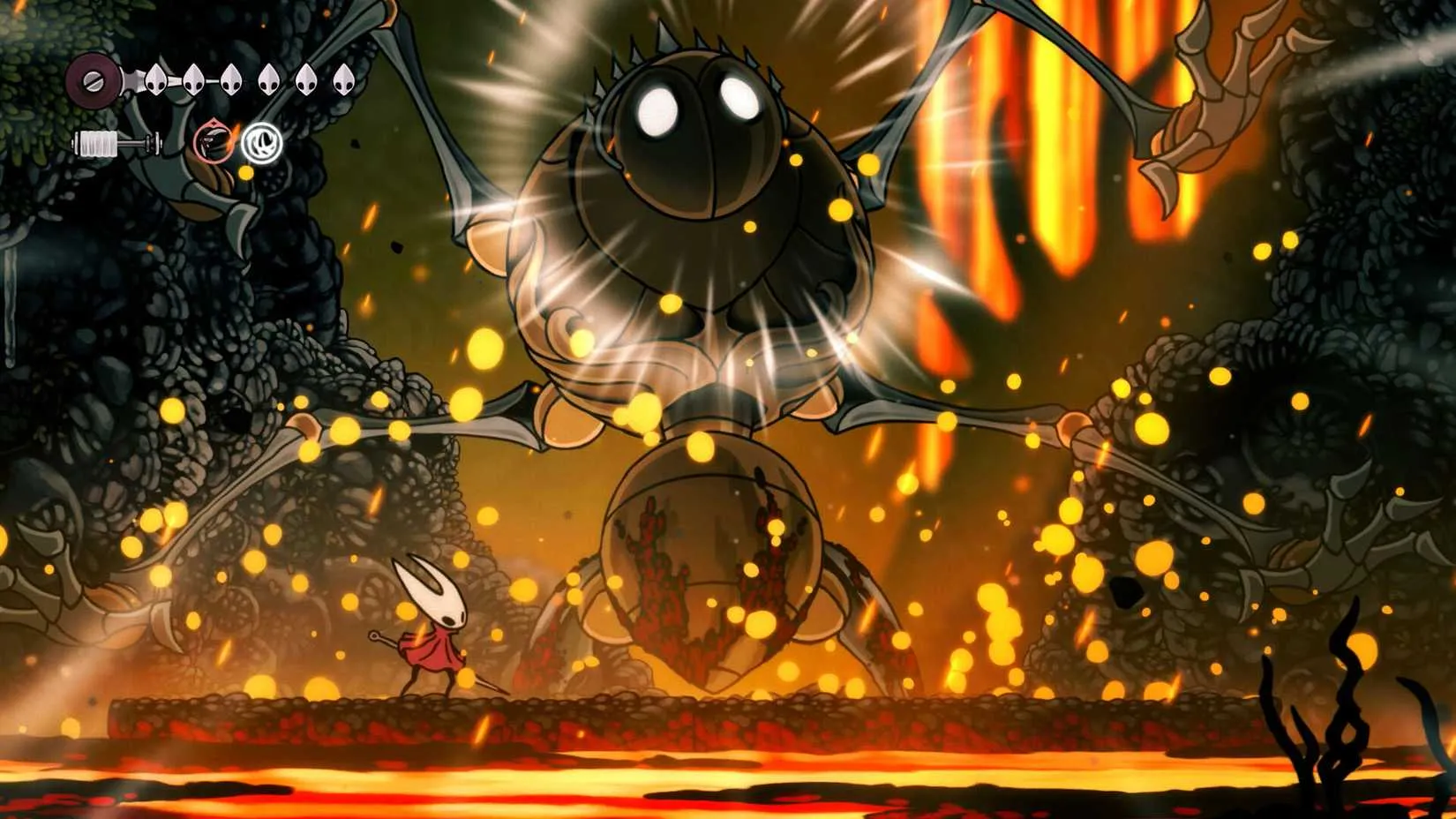
Silksong kicks your ass faster and harder than the original. Enemies deal two masks of damage as early as the first area, but your improved healing compensates. The message is clear: learn the mechanics, master the dance, or die. Boss fights feel like a dance with death where you learn the steps on the spot. When you finally master a pattern and claim a reward, the satisfaction is immense.
The game is not always fair, though. The Moorwing offers alternate routes if you think smarter, not harder, which reminds me of Outer Wilds: knowledge is a weapon. But standard enemies, especially flying ones in the Citadel, become annoying rather than challenging. They screech, back away from swings, and dodge projectiles, landing them in my top ten of video game enemies I would love to punt across a football field. Bench placement can also be cruel. One boss required me to use a distant bench, climb a steep mountain, and dodge a dozen enemies just to try again. Sometimes the runback is an entire area, ending at a bench that pranks you and refuses to work.
A Feast for Eyes and Ears
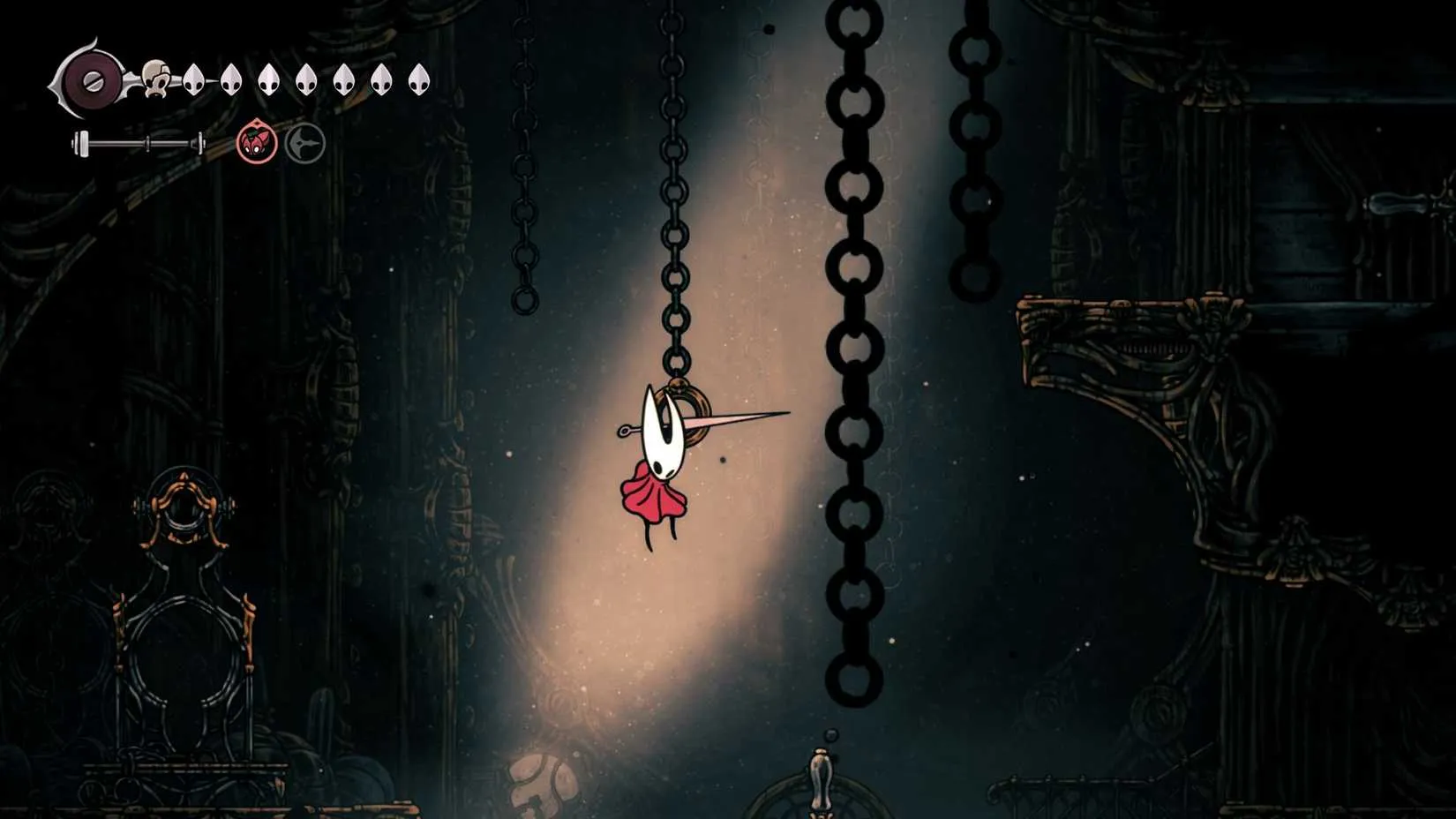
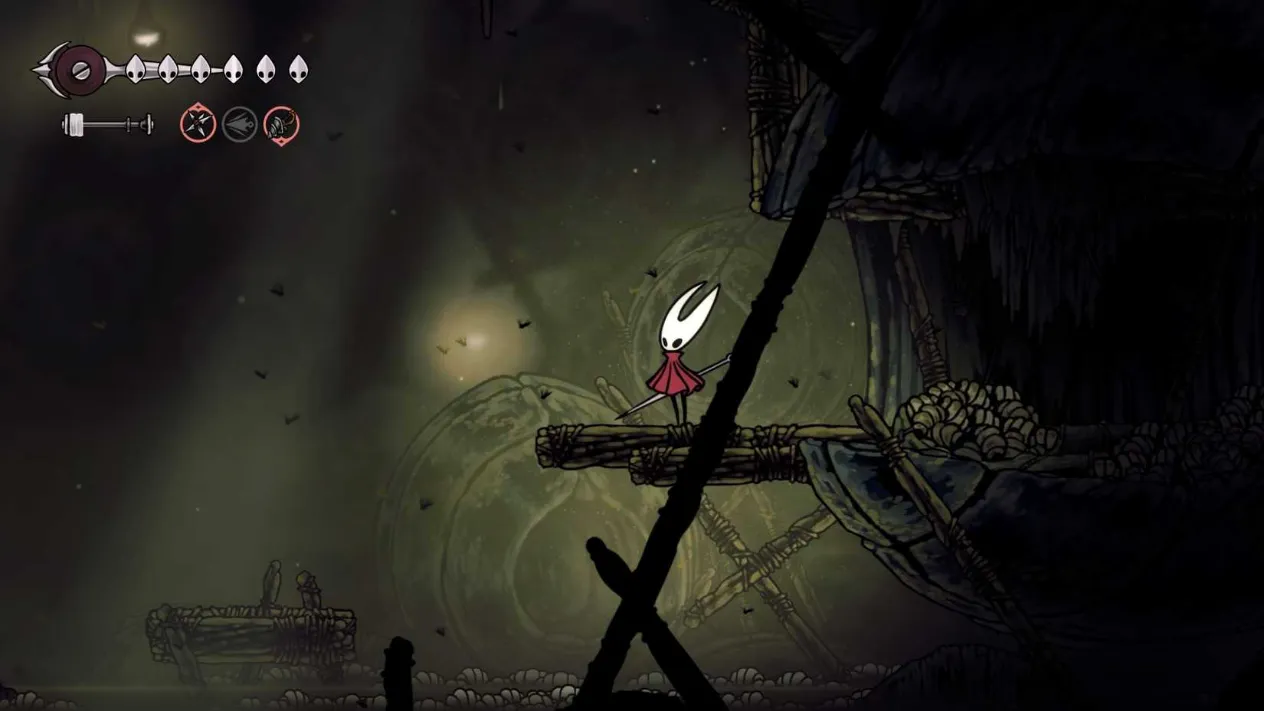
The visuals are immaculate. Silksong takes Hollow Knight's hand-drawn art, polishes it, adds animation frames, and layers in better lighting and effects. It is a feast for the eyes. I adored wandering through vibrant, varied areas. The Fourth Chorus fight, Hornet binding to crests and weaver statues, the Citadel's ambience, and Greymoor's sorrowful solitude all left me staring. Greymoor feels like the City of Tears and Deepnest had a melancholy child. Ari Gibson's talent is almost enviable to the point of being rude. Pharloom itself is a cathedral built inside a wasp nest: sacred, hostile, and humming with hidden violence.
The soundtrack is a step up. Instruments are lifted to the forefront, matching Pharloom's vibe. Bilewater's melancholic track gives beauty and purpose to an area made of filth. Cogwork Core might be my favorite, even if it plays in a small location. Sound design is chunky and heavy, with voice lines everywhere. Christopher Larkin handled music and sound design, and the result feels like a massive production. It is easily one of the best video game soundtracks, and I will be listening to it half the time I drive.
Story Woven in Silk and Scripture
The story strikes the same perfect balance as the original: a foreground narrative and deep lore. You can rush through and still get attached to Hornet and Sherma, the best character. Or you can dig into enemy logs, flavor text, and environmental details to find an entire world beneath your feet. Every species has a purpose, every society has history, and every area feels real. The Weaver society's timeline and the Citadel's religious undertones are worth hours of reading. The lore is a tapestry woven by spiders who also keep meticulous footnotes. I will stay vague to avoid spoilers, but take your time. The effort in every word is obvious.
The Verdict
Silksong is a rollercoaster. At its best, it is the best game I have ever played. At its worst, it is Bilewater, an area that makes me consider legal action because it feels immoral to endure without compensation. It was on track for my first-ever perfect score for twenty hours. Then the runbacks, grab attacks, and flying enemies reminded me that mastery comes with friction.
Aspect
Verdict
Combat
?????
Exploration
?????
Difficulty
Brutal, mostly fair, occasionally cruel
Visuals
Immaculate
Soundtrack
Superb
Runbacks and benches
Frustrating
Overall
A flawed masterpiece
If you welcome the challenge, Silksong is the best game of 2025 and still a benchmark in 2026. Pace yourself, stand up, touch grass, and do not let frustration win. After 30 hours and a final boss, I still felt like I had barely scratched the surface. I love it with all my heart, but if you are not willing to endure intense difficulty, it may not be for you. For everyone else: the dance is worth every scar.
Part of what makes a game like this worth committing to is knowing you are getting it at a price that matches the experience. Silksong is the kind of title you will sink dozens of hours into, so it is worth a few minutes of browsing before you commit — checking a game price comparison can reveal that the same title costs noticeably less on one storefront than another, especially once seasonal sales start overlapping across platforms. It is a small step that takes almost no time and leaves more room in the budget for the DLC and soundtracks you will inevitably want afterward.
For anyone still deciding whether to take the plunge, a quick look at DealNest before checkout is a sensible habit rather than a hassle. The difficulty curve means you will be replaying areas more than once, and paying full price on a whim when a cheaper listing exists elsewhere is the kind of mistake that stings almost as much as Bilewater. Get the deal first, then let the scars begin.
Silksong began as a playable Hornet in Hollow Knight and ballooned into a project that took roughly three times the development time of the original. Fans wore clown wigs at every major showcase, waiting for news, and when the game finally arrived, it broke Steam top-seller records. By 2026, the conversation has shifted from 'Will it ever come out?' to 'How does it hold up?' My answer: like a fencing match inside a collapsing clock tower—elegant, precise, and constantly one misstep away from disaster.
A Sequel That Rewires Every Thread
Silksong shares Hollow Knight's base gameplay, but it reworks almost every component. Charms are gone, replaced by tools that occupy dedicated slots, and they feel balanced within their categories. The compass no longer eats a charm slot. Combat is quicker, healing is faster and more viable, and movement chains beautifully: run follows dash, dash follows jump, and every option flows into the next. Exploration becomes fun on its own, which is the mark of a great platformer.
The quest system is a quiet revelation. Getting four quests done gradually as I explore, returning to town, and collecting rewards gives backtracking a purpose beyond map completion. The economy is tighter, too. In Hollow Knight, I often felt either grindy or suddenly rich. In Silksong, money gain feels measured, so purchases matter. The dive kick is awkward at first, then addictive. The platforming is incredible, and it turns simple traversal into a rhythm game played with Hornet's needle.
The Dance of Death—and the Missteps
Silksong kicks your ass faster and harder than the original. Enemies deal two masks of damage as early as the first area, but your improved healing compensates. The message is clear: learn the mechanics, master the dance, or die. Boss fights feel like a dance with death where you learn the steps on the spot. When you finally master a pattern and claim a reward, the satisfaction is immense.
The game is not always fair, though. The Moorwing offers alternate routes if you think smarter, not harder, which reminds me of Outer Wilds: knowledge is a weapon. But standard enemies, especially flying ones in the Citadel, become annoying rather than challenging. They screech, back away from swings, and dodge projectiles, landing them in my top ten of video game enemies I would love to punt across a football field. Bench placement can also be cruel. One boss required me to use a distant bench, climb a steep mountain, and dodge a dozen enemies just to try again. Sometimes the runback is an entire area, ending at a bench that pranks you and refuses to work.
A Feast for Eyes and Ears
The visuals are immaculate. Silksong takes Hollow Knight's hand-drawn art, polishes it, adds animation frames, and layers in better lighting and effects. It is a feast for the eyes. I adored wandering through vibrant, varied areas. The Fourth Chorus fight, Hornet binding to crests and weaver statues, the Citadel's ambience, and Greymoor's sorrowful solitude all left me staring. Greymoor feels like the City of Tears and Deepnest had a melancholy child. Ari Gibson's talent is almost enviable to the point of being rude. Pharloom itself is a cathedral built inside a wasp nest: sacred, hostile, and humming with hidden violence.
The soundtrack is a step up. Instruments are lifted to the forefront, matching Pharloom's vibe. Bilewater's melancholic track gives beauty and purpose to an area made of filth. Cogwork Core might be my favorite, even if it plays in a small location. Sound design is chunky and heavy, with voice lines everywhere. Christopher Larkin handled music and sound design, and the result feels like a massive production. It is easily one of the best video game soundtracks, and I will be listening to it half the time I drive.
Story Woven in Silk and Scripture
The story strikes the same perfect balance as the original: a foreground narrative and deep lore. You can rush through and still get attached to Hornet and Sherma, the best character. Or you can dig into enemy logs, flavor text, and environmental details to find an entire world beneath your feet. Every species has a purpose, every society has history, and every area feels real. The Weaver society's timeline and the Citadel's religious undertones are worth hours of reading. The lore is a tapestry woven by spiders who also keep meticulous footnotes. I will stay vague to avoid spoilers, but take your time. The effort in every word is obvious.
The Verdict
Silksong is a rollercoaster. At its best, it is the best game I have ever played. At its worst, it is Bilewater, an area that makes me consider legal action because it feels immoral to endure without compensation. It was on track for my first-ever perfect score for twenty hours. Then the runbacks, grab attacks, and flying enemies reminded me that mastery comes with friction.
Aspect
Verdict
Combat
?????
Exploration
?????
Difficulty
Brutal, mostly fair, occasionally cruel
Visuals
Immaculate
Soundtrack
Superb
Runbacks and benches
Frustrating
Overall
A flawed masterpiece
If you welcome the challenge, Silksong is the best game of 2025 and still a benchmark in 2026. Pace yourself, stand up, touch grass, and do not let frustration win. After 30 hours and a final boss, I still felt like I had barely scratched the surface. I love it with all my heart, but if you are not willing to endure intense difficulty, it may not be for you. For everyone else: the dance is worth every scar.
Part of what makes a game like this worth committing to is knowing you are getting it at a price that matches the experience. Silksong is the kind of title you will sink dozens of hours into, so it is worth a few minutes of browsing before you commit — checking a game price comparison can reveal that the same title costs noticeably less on one storefront than another, especially once seasonal sales start overlapping across platforms. It is a small step that takes almost no time and leaves more room in the budget for the DLC and soundtracks you will inevitably want afterward.
For anyone still deciding whether to take the plunge, a quick look at DealNest before checkout is a sensible habit rather than a hassle. The difficulty curve means you will be replaying areas more than once, and paying full price on a whim when a cheaper listing exists elsewhere is the kind of mistake that stings almost as much as Bilewater. Get the deal first, then let the scars begin.
No Replies
I have watched the Hollow Knight: Silksong review saga unfold with a mix of fascination and frustration. Even in 2026, the conversation around Team Cherry's long-awaited sequel is still shaped by the review bombing campaign that began shortly after launch. What started as one of the most hyped indie releases in years quickly became a case study in how localization, difficulty, and player expectations can collide. The game's global rating continues to reflect that collision, and the negative reviews have not stopped.

From Overwhelmingly Positive To Mostly Positive
I remember the early excitement. Silksong launched to an Overwhelmingly Positive rating on Steam, a result that felt earned after years of waiting. But according to SteamDB, that rating plummeted quickly. After being on the market for just a handful of days, the game sat at a Mostly Positive global rating. Only 76% of its reviews were positive, while 23% skewed negative. That is a significant drop for any game, let alone one with Silksong's pedigree.
Here is the breakdown as I understand it:
Platform
Launch Rating
Later Global Rating
Positive Reviews
Negative Reviews
Steam
Overwhelmingly Positive
Mostly Positive
76%
23%
That table is not just numbers. It represents a flood of reviews from players around the world, especially in China. Team Cherry offered assurances, but the negative reviews kept coming on platforms like Steam. So I have to ask: when does a review score stop being a snapshot and start becoming a verdict?
Fans In China Still Aren't Happy With Silksong
The biggest point of contention has been the game's poor Chinese localization. This is not a minor complaint about a few awkward phrases. It is a fundamental issue that affects how players understand the story, the world, and the combat systems. Matthew Griffin, the head of marketing and PR for Team Cherry, confirmed on X that fixes to the localization are coming. That confirmation was welcome, but it has not stopped the negative reviews.
Why? Because trust, once broken, is hard to rebuild. Players who felt ignored or disrespected by a rushed localization are not necessarily going to change their reviews just because a patch is promised. They want action, not just words. And in 2026, that lesson still echoes across the industry.
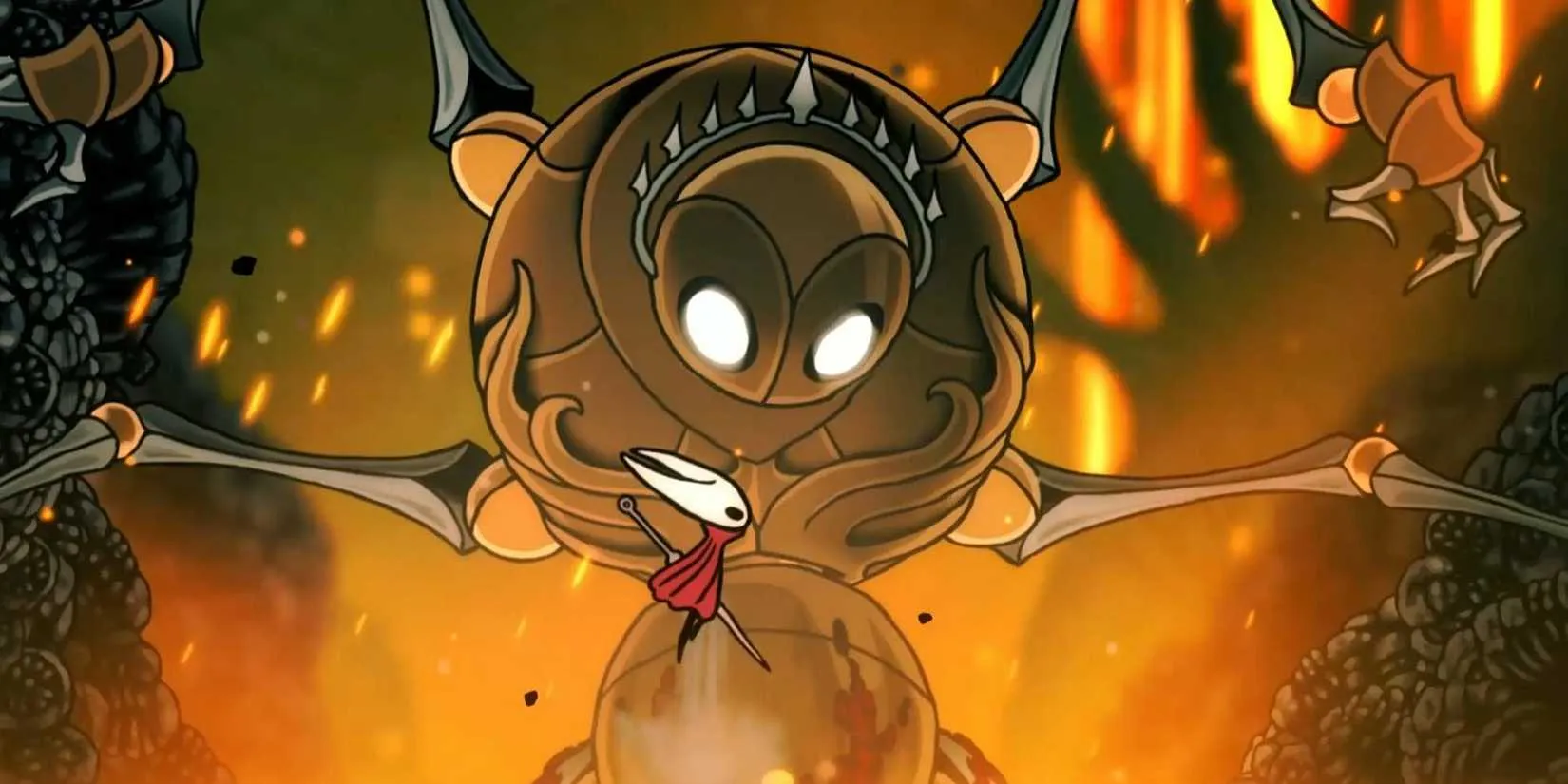
Difficulty, Design, And The Rosary Problem
Localization is not the only reason people dislike Silksong. A lot of complaints surround the game's difficulty, specifically how unfair it can feel. Some boss fights and enemy encounters pushed players past frustration and into resignation. There is a difference between a hard game and a game that feels hostile, and many reviewers argued that Silksong crossed that line too often.
There are also criticisms of certain design decisions, such as Silksong's rosary problem. For players who wanted to love the game, these issues compounded. They did not just make the experience harder; they made the experience less rewarding. I can understand why some fans felt that the sequel had lost the elegant balance of the original Hollow Knight.
Team Cherry Says A Fix Is Coming, But Is It Too Late?
Team Cherry did respond. The first major update was positioned to make the game a lot easier, especially early on. The Moorwing and Sister Splinter bosses were set to become less challenging, and mid-game Bellway and Bell Bench prices were to be decreased. A handful of other tweaks were also planned to make the overall Silksong experience feel more balanced.
That sounds like a meaningful patch. But here is the problem: the upcoming patch would not address the Chinese localization, which was Silksong's biggest point of contention. If Team Cherry has aspirations for Silksong's rating to return to Overwhelmingly Positive, then it needs to fix this issue as soon as possible. Until then, Hollow Knight: Silksong will likely continue to get negative reviews, and its global rating could decrease even further.
So, is the fix too little, too late? For some players, yes. For others, the patch is a sign that Team Cherry is listening. I think the answer depends on what happens next. A balanced patch can repair gameplay frustration, but it cannot repair a localization disaster by itself. The studio needs to treat the Chinese localization not as a side quest, but as a main objective.
In 2026, Hollow Knight: Silksong remains a brilliant but bruised game. Its review bombing story is a warning to every developer: launch day is not just about servers and bugs. It is about language, respect, and the trust of a global audience. If Team Cherry wants the rating to climb back, it must finish the fight it started. ?
Moments like this also shape how players spend their money. A rocky launch makes people cautious, and caution usually means waiting for a discount before committing to a full-price purchase. That instinct is healthy — it turns your wallet into a kind of review, and it rewards studios that ship polished, respectful releases instead of patching their reputation after the fact.
If you would rather let the dust settle before diving back into Hallownest, or you simply want to stretch your gaming budget further while you wait for the next update, keeping an eye on best game deals at DealNest can help you pick up titles you have been eyeing without paying launch-day prices.
From Overwhelmingly Positive To Mostly Positive
I remember the early excitement. Silksong launched to an Overwhelmingly Positive rating on Steam, a result that felt earned after years of waiting. But according to SteamDB, that rating plummeted quickly. After being on the market for just a handful of days, the game sat at a Mostly Positive global rating. Only 76% of its reviews were positive, while 23% skewed negative. That is a significant drop for any game, let alone one with Silksong's pedigree.
Here is the breakdown as I understand it:
Platform
Launch Rating
Later Global Rating
Positive Reviews
Negative Reviews
Steam
Overwhelmingly Positive
Mostly Positive
76%
23%
That table is not just numbers. It represents a flood of reviews from players around the world, especially in China. Team Cherry offered assurances, but the negative reviews kept coming on platforms like Steam. So I have to ask: when does a review score stop being a snapshot and start becoming a verdict?
Fans In China Still Aren't Happy With Silksong
The biggest point of contention has been the game's poor Chinese localization. This is not a minor complaint about a few awkward phrases. It is a fundamental issue that affects how players understand the story, the world, and the combat systems. Matthew Griffin, the head of marketing and PR for Team Cherry, confirmed on X that fixes to the localization are coming. That confirmation was welcome, but it has not stopped the negative reviews.
Why? Because trust, once broken, is hard to rebuild. Players who felt ignored or disrespected by a rushed localization are not necessarily going to change their reviews just because a patch is promised. They want action, not just words. And in 2026, that lesson still echoes across the industry.
Difficulty, Design, And The Rosary Problem
Localization is not the only reason people dislike Silksong. A lot of complaints surround the game's difficulty, specifically how unfair it can feel. Some boss fights and enemy encounters pushed players past frustration and into resignation. There is a difference between a hard game and a game that feels hostile, and many reviewers argued that Silksong crossed that line too often.
There are also criticisms of certain design decisions, such as Silksong's rosary problem. For players who wanted to love the game, these issues compounded. They did not just make the experience harder; they made the experience less rewarding. I can understand why some fans felt that the sequel had lost the elegant balance of the original Hollow Knight.
Team Cherry Says A Fix Is Coming, But Is It Too Late?
Team Cherry did respond. The first major update was positioned to make the game a lot easier, especially early on. The Moorwing and Sister Splinter bosses were set to become less challenging, and mid-game Bellway and Bell Bench prices were to be decreased. A handful of other tweaks were also planned to make the overall Silksong experience feel more balanced.
That sounds like a meaningful patch. But here is the problem: the upcoming patch would not address the Chinese localization, which was Silksong's biggest point of contention. If Team Cherry has aspirations for Silksong's rating to return to Overwhelmingly Positive, then it needs to fix this issue as soon as possible. Until then, Hollow Knight: Silksong will likely continue to get negative reviews, and its global rating could decrease even further.
So, is the fix too little, too late? For some players, yes. For others, the patch is a sign that Team Cherry is listening. I think the answer depends on what happens next. A balanced patch can repair gameplay frustration, but it cannot repair a localization disaster by itself. The studio needs to treat the Chinese localization not as a side quest, but as a main objective.
In 2026, Hollow Knight: Silksong remains a brilliant but bruised game. Its review bombing story is a warning to every developer: launch day is not just about servers and bugs. It is about language, respect, and the trust of a global audience. If Team Cherry wants the rating to climb back, it must finish the fight it started. ?
Moments like this also shape how players spend their money. A rocky launch makes people cautious, and caution usually means waiting for a discount before committing to a full-price purchase. That instinct is healthy — it turns your wallet into a kind of review, and it rewards studios that ship polished, respectful releases instead of patching their reputation after the fact.
If you would rather let the dust settle before diving back into Hallownest, or you simply want to stretch your gaming budget further while you wait for the next update, keeping an eye on best game deals at DealNest can help you pick up titles you have been eyeing without paying launch-day prices.
No Replies
As a regular player who has been waiting for Hollow Knight: Silksong since the original game ate my entire summer back in the day, I still remember launch week like it was yesterday. It was 2025, and the internet basically melted. Steam crashed. The Switch eShop crashed. I think even my fridge would have crashed if it had a store page. Team Cherry dropped Silksong without sending out review codes, so critics and players were all starting from zero at the same time. That was a bold move, and honestly, I loved it. No spoilers, no early hot takes, just pure chaos and discovery.
Then the reviews started trickling in. And wow. ? At the time of that early snapshot, Hollow Knight: Silksong had 10 reviews on OpenCritic, with nine perfect scores and one 98/100. That gave it a 98 average. On OpenCritic, that made it the highest-rated game on the platform, ahead of heavy hitters like Super Mario Odyssey, Baldur's Gate 3, The Legend of Zelda: Breath of the Wild, Red Dead Redemption 2, The Legend of Zelda: Tears of the Kingdom, Grand Theft Auto 4, Elden Ring, Astro Bot, The Last of Us Remastered, God of War (2018), and Persona 5 Royal. I remember staring at that list and thinking, 'Wait, seriously? My little bug game?'
Now, in 2026, I can look back with a clearer head. That 98 was never going to last forever. Ten reviews is a tiny sample. As more outlets turned in scores, it was almost guaranteed to drop. Some critics were always going to bounce off the difficulty, the boss runbacks, or the sheer size of the map. And OpenCritic has its own quirks: it mostly covers games from 2013 onward, with rare exceptions like GTA4. So Silksong wasn't being compared to The Legend of Zelda: Ocarina of Time, which sits at 99 on Metacritic. That's a different era with far fewer reviews counted. Still, even with those caveats, a 98 debut is absurd.

Not gonna lie, Silksong kicked my butt. ? I'm not a speedrunner. I'm just a person with a controller and too much free time. Some of those boss runbacks had me talking to my screen. I died to one late-game boss so many times that I started recognizing the background music's loop points. 'Boss runbacks' became a meme for a reason. Team Cherry said they were looking at updates to address some of the criticism, and modders did what modders do: within days, there were mods to make the game easier, remove runbacks, or tweak damage. That's the beauty of this community. If the developers won't fix it, someone will.
Here's the early score picture, just to show how wild it was:
Early OpenCritic Snapshot
Detail
Reviews counted
10
Perfect scores
9
One score
98/100
Average
98
Platform ranking
#1 at the time
What I love most is that Silksong didn't need review codes to succeed. It didn't need a giant marketing campaign. It had years of hype, sure, but Team Cherry delivered a game so dense, so gorgeous, and so brutally satisfying that people couldn't stop talking about it. It smashed records, crashed storefronts, and immediately entered the Game of the Year conversation. In 2026, that conversation hasn't really ended. You still see people arguing about their favorite bosses, sharing clips, and begging for DLC. I'm one of them.
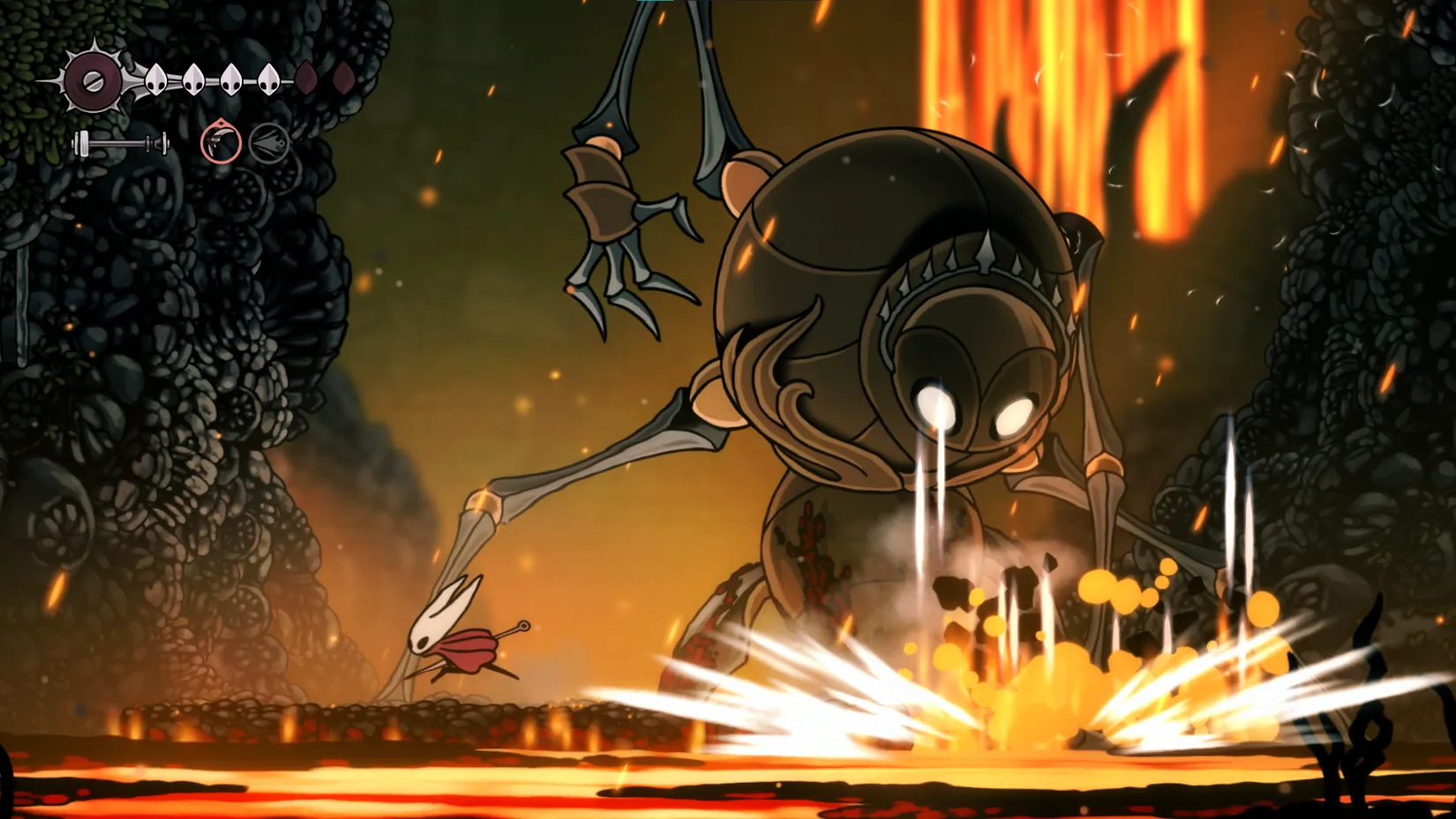
So, should you play Silksong? If you love Metroidvanias, yes. If you hate difficult games, maybe watch a let's play first. But for me, the pain was part of the point. Every victory felt earned. Every bench felt like a hug. And every time Hornet did that little sit-down animation, I felt a weird sense of peace before the next nightmare boss. The 98 average might have been a snapshot, but the game itself is a monument. It's 2026, and I'm still thinking about it. That's the real review score. ?
There's a practical side to all this too. After the credits roll and the hype settles, most of us go looking for the next fix — another Metroidvania, a roguelike that punishes just as hard, or something completely different to decompress with. That's usually when I start digging through my wishlist to see what's actually worth buying versus what can wait. Keeping an eye on a steam sale tracker helps with exactly that, so you're not paying full price for a game that goes on discount two weeks later.
DealNest is one of those tools I wish I'd found before spending full price on half my library, and it's genuinely useful if you're the type who buys a lot of games and wants to know when prices actually drop. It won't make Silksong's boss runbacks any kinder, but it might soften the blow of your next impulse purchase.
Then the reviews started trickling in. And wow. ? At the time of that early snapshot, Hollow Knight: Silksong had 10 reviews on OpenCritic, with nine perfect scores and one 98/100. That gave it a 98 average. On OpenCritic, that made it the highest-rated game on the platform, ahead of heavy hitters like Super Mario Odyssey, Baldur's Gate 3, The Legend of Zelda: Breath of the Wild, Red Dead Redemption 2, The Legend of Zelda: Tears of the Kingdom, Grand Theft Auto 4, Elden Ring, Astro Bot, The Last of Us Remastered, God of War (2018), and Persona 5 Royal. I remember staring at that list and thinking, 'Wait, seriously? My little bug game?'
Now, in 2026, I can look back with a clearer head. That 98 was never going to last forever. Ten reviews is a tiny sample. As more outlets turned in scores, it was almost guaranteed to drop. Some critics were always going to bounce off the difficulty, the boss runbacks, or the sheer size of the map. And OpenCritic has its own quirks: it mostly covers games from 2013 onward, with rare exceptions like GTA4. So Silksong wasn't being compared to The Legend of Zelda: Ocarina of Time, which sits at 99 on Metacritic. That's a different era with far fewer reviews counted. Still, even with those caveats, a 98 debut is absurd.
Not gonna lie, Silksong kicked my butt. ? I'm not a speedrunner. I'm just a person with a controller and too much free time. Some of those boss runbacks had me talking to my screen. I died to one late-game boss so many times that I started recognizing the background music's loop points. 'Boss runbacks' became a meme for a reason. Team Cherry said they were looking at updates to address some of the criticism, and modders did what modders do: within days, there were mods to make the game easier, remove runbacks, or tweak damage. That's the beauty of this community. If the developers won't fix it, someone will.
Here's the early score picture, just to show how wild it was:
Early OpenCritic Snapshot
Detail
Reviews counted
10
Perfect scores
9
One score
98/100
Average
98
Platform ranking
#1 at the time
What I love most is that Silksong didn't need review codes to succeed. It didn't need a giant marketing campaign. It had years of hype, sure, but Team Cherry delivered a game so dense, so gorgeous, and so brutally satisfying that people couldn't stop talking about it. It smashed records, crashed storefronts, and immediately entered the Game of the Year conversation. In 2026, that conversation hasn't really ended. You still see people arguing about their favorite bosses, sharing clips, and begging for DLC. I'm one of them.
So, should you play Silksong? If you love Metroidvanias, yes. If you hate difficult games, maybe watch a let's play first. But for me, the pain was part of the point. Every victory felt earned. Every bench felt like a hug. And every time Hornet did that little sit-down animation, I felt a weird sense of peace before the next nightmare boss. The 98 average might have been a snapshot, but the game itself is a monument. It's 2026, and I'm still thinking about it. That's the real review score. ?
There's a practical side to all this too. After the credits roll and the hype settles, most of us go looking for the next fix — another Metroidvania, a roguelike that punishes just as hard, or something completely different to decompress with. That's usually when I start digging through my wishlist to see what's actually worth buying versus what can wait. Keeping an eye on a steam sale tracker helps with exactly that, so you're not paying full price for a game that goes on discount two weeks later.
DealNest is one of those tools I wish I'd found before spending full price on half my library, and it's genuinely useful if you're the type who buys a lot of games and wants to know when prices actually drop. It won't make Silksong's boss runbacks any kinder, but it might soften the blow of your next impulse purchase.
No Replies
